
Little Spoon Organic Baby Formula Review + Video
Little Spoon made a big impression with this clean, premium, and tummy-friendly formula!
 By: Tali Ditye, Ph.D., Co-founder
Mommyhood101 independently curates baby gear to help inform decisions; if you buy through links on our site, we may earn a commission.
We put the new Little Spoon Organic Infant Formula to the test, evaluating ingredients, nutrition, mixing, packaging, ease of use, tolerability, certifications, and overall value.
Let's see how it performed!
Full disclosure: Little Spoon was generous enough to provide us with free samples for testing; no compensation or sponsorship was provided, and all opinions are our own. As always, consult your pediatrician before switching formulas.
Little Spoon markets this as an organic whole milk infant formula for babies 0-12 months, with iron, DHA, FOS prebiotics, and a formulation modeled after breast milk.
On paper, it has a lot going for it: organic lactose as the primary carbohydrate, no palm oil, no corn syrup, no added soy, grass-fed organic whole milk from New Zealand, and a whey-to-casein ratio closer to breast milk than many standard formulas.
But as always, the details matter, so we took a close look at the ingredient list, nutrition panel, preparation instructions, packaging, and real-world feeding experience. Let's see if it deserves a spot on our list of the best organic baby formulas!
Our Little Spoon Baby Formula Review
Nobody wants to read through an entire article to get to conclusions; you've got more important things to do! So here are our findings, right up front.
Here is a summary of what we loved, and a couple of things that could be improved.
✔️ Organic whole milk formula.
✔️ Contains iron.
✔️ Primary carbohydrate: lactose.
✔️ New Zealand milk.
✔️ Organic grass-fed whole milk.
✔️ No palm oil, soy, or gluten.
✔️ No maltodextrin or fillers.
✔️ No corn syrups.
✔️ Includes DHA + ARA.
✔️ FOS prebiotics.
✔️ Natural MFGM components.
✔️ 60:40 whey-to-casein ratio.
✔️ USDA Organic certified.
✔️ Certified EU Organic equivalency.
✔️ Clean Label Project Purity Award
✔️ Certified Pesticide Free.
✔️ Strict heavy metal limits
✔️ Public testing results.
✔️ 2,000+ safety checks/batch.
✔️ Strict tests for SRC.
✔️ No hexane DHA extraction.
✔️ Mixes easily, no foam/clumps.
✔️ Test baby loved it!
✔️ Great packaging + shipping.
❌ No leveling edge on can.
❌ Traditional ARA extraction.
Overall, Little Spoon Organic Infant Formula impressed us with its thoughtful ingredient profile, strong nutrition panel, easy mixing, and excellent real-world tolerability.
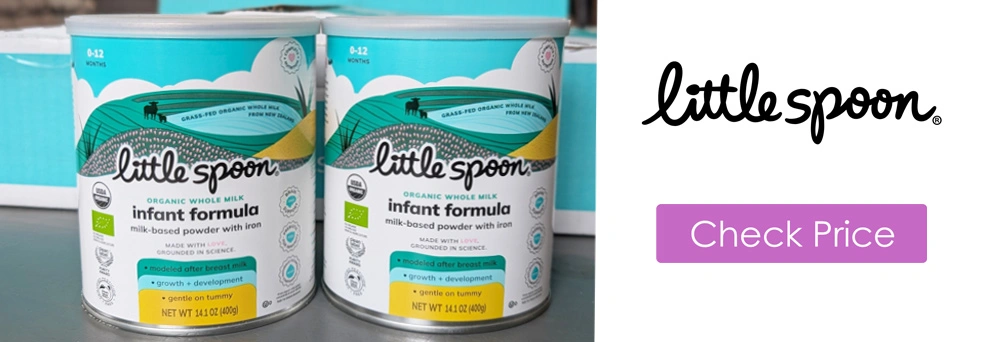
It is definitely one of the more appealing new U.S.-market formulas we've tested, particularly for parents who want an organic whole milk formula without palm oil or corn syrup.
Unboxing & Packaging
Little Spoon ships the formula in a very nice presentation box, and we were immediately impressed with the packaging quality.
The tins were well protected inside the box and appeared very unlikely to get dented during shipping, which is something we always appreciate with metal formula cans.
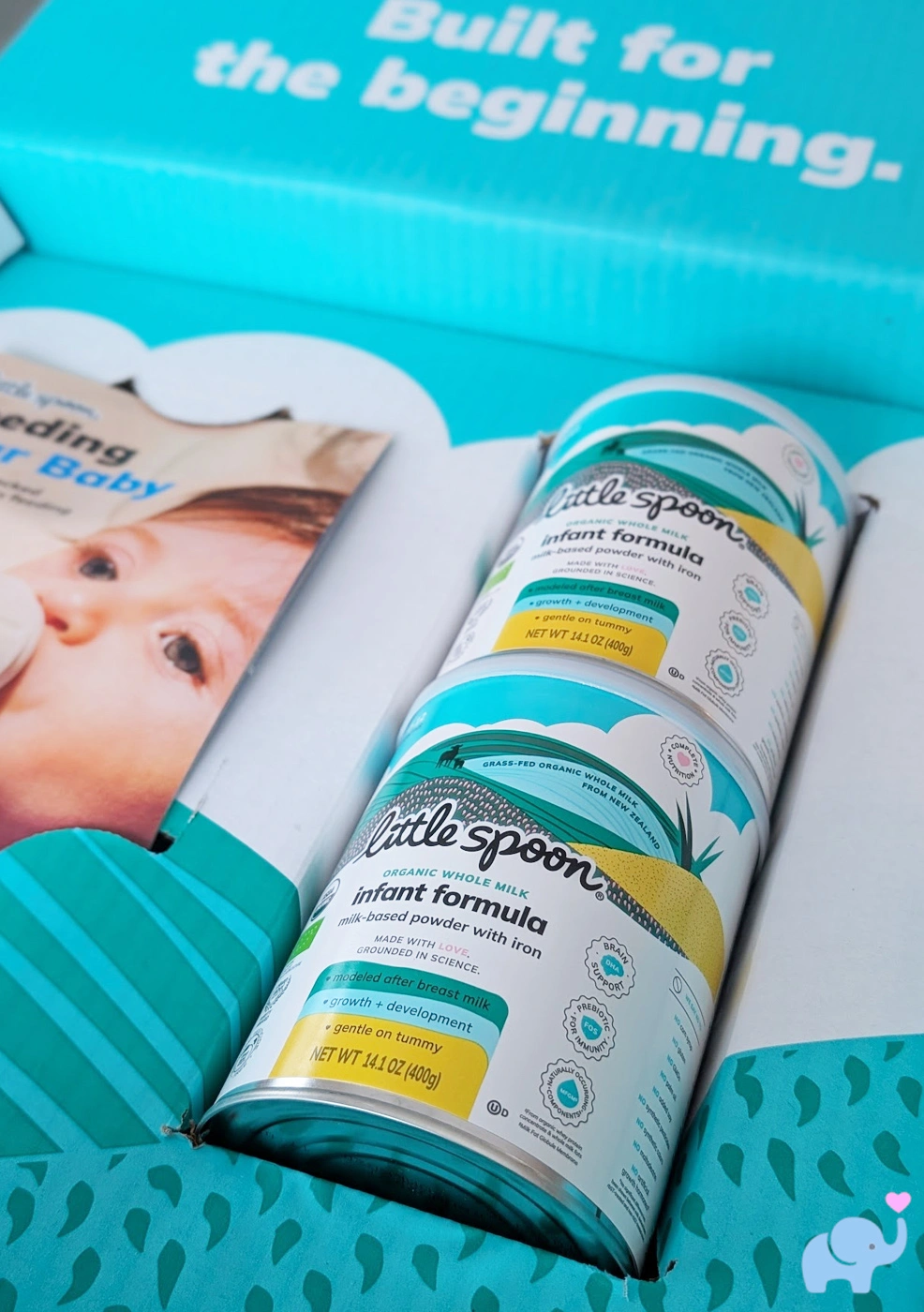
Each tin contains 400 grams (14.1 ounces) of formula powder.
Because each scoop holds 8.5 grams, that works out to about 47 level scoops per tin, or about 94 fluid ounces of prepared formula.
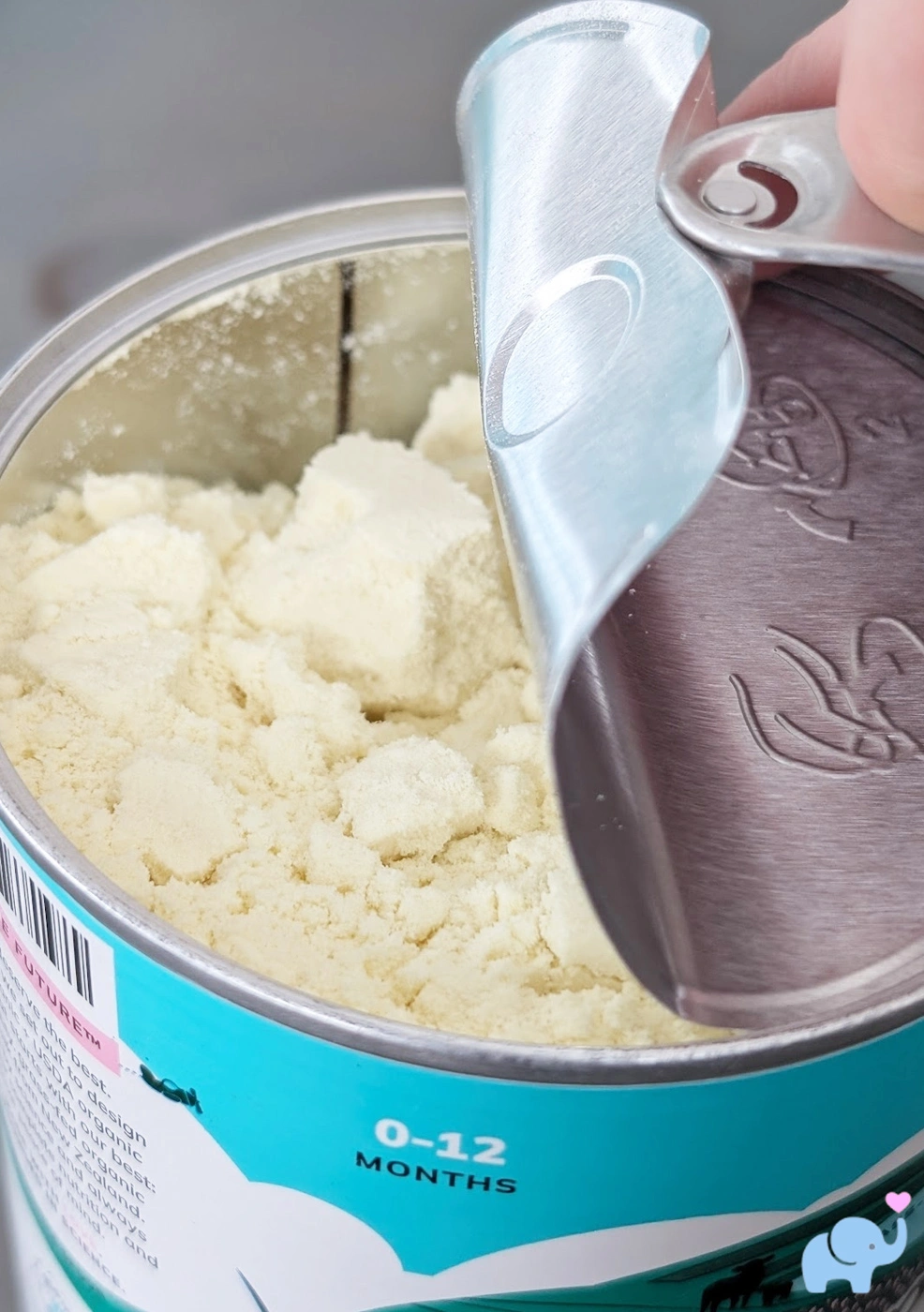
One minor downside is that the scoop was somewhat buried in the powder when we first opened the tin, making it a little inconvenient to locate.
We also generally prefer formula tins with a built-in leveling edge so you can quickly make a proper level scoop.
These tins don't have one, though you can, of course, use a clean knife or similar straight edge to level the scoop.
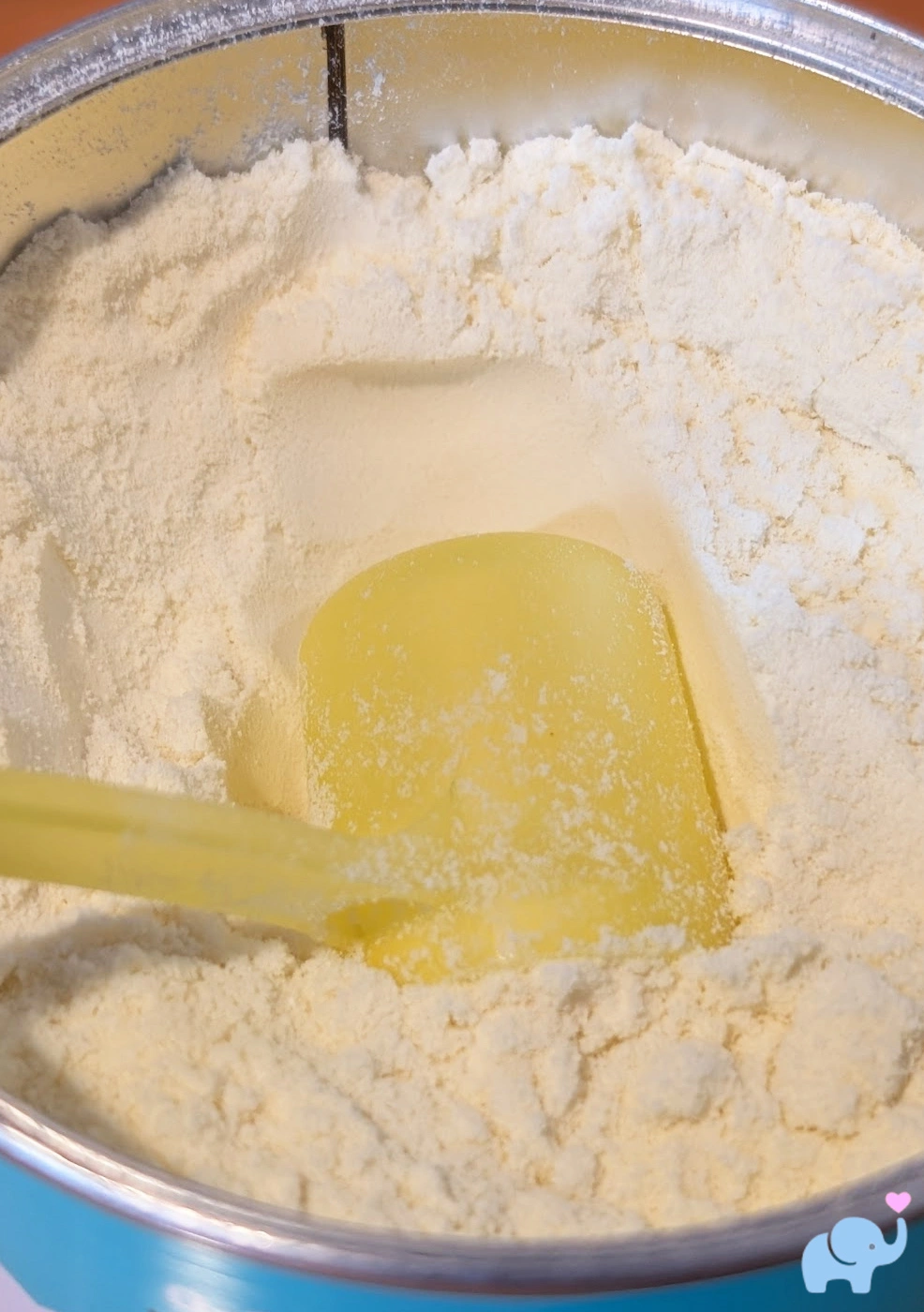
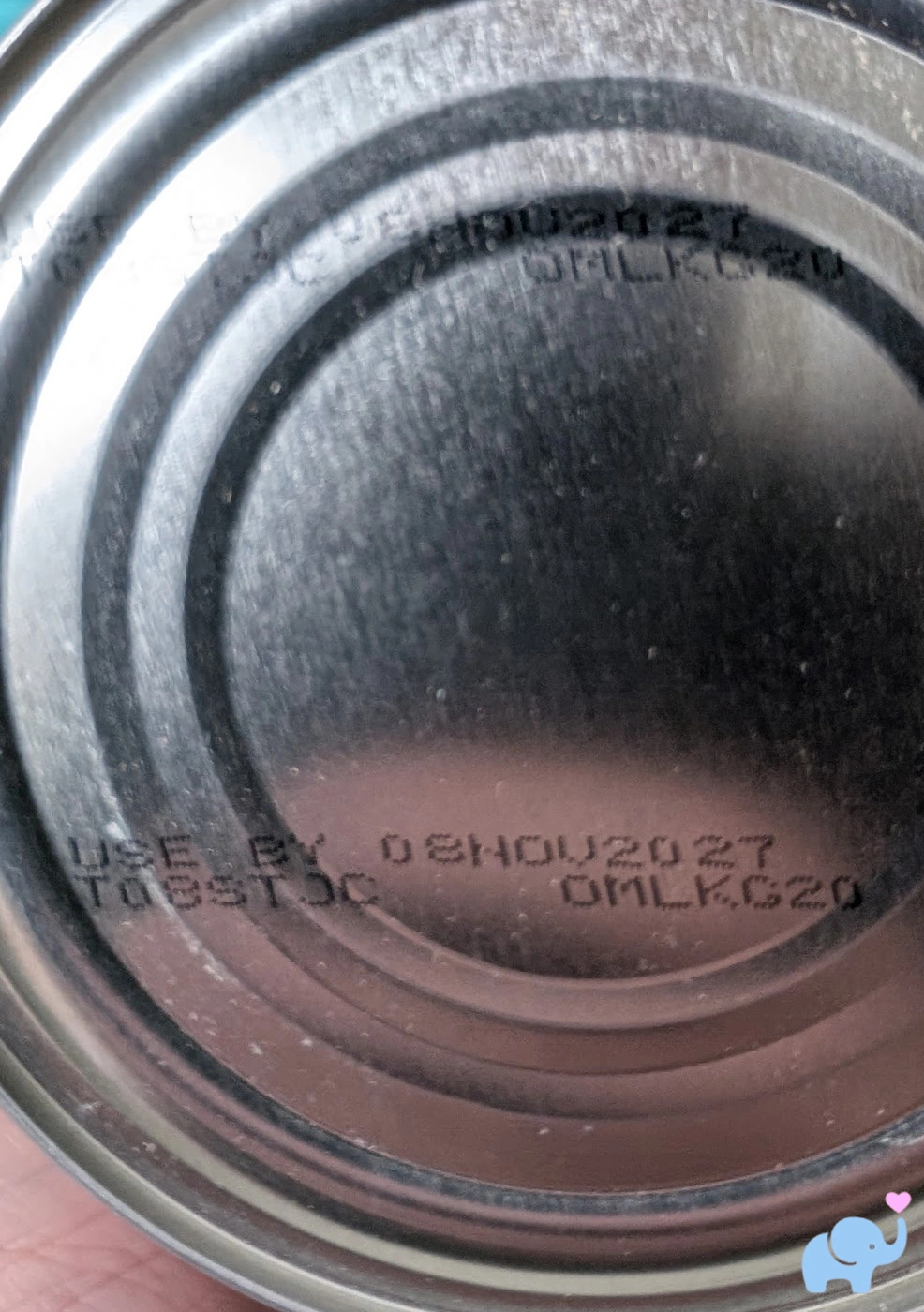
We also checked the date coding on the tins we received and found an expiration date.
It appeared to be about 20 months after the manufacturing date, which is a reasonable shelf life for a powdered infant formula.
Ingredients
The ingredient list is one of the most important things we evaluate in any infant formula review.
Little Spoon starts off strong with organic lactose as the first ingredient, followed by organic grass-fed whole milk and organic whey protein concentrate.
That is a nice departure from formulas that rely more heavily on corn syrup solids, maltodextrin, or skim-milk-heavy formulations.
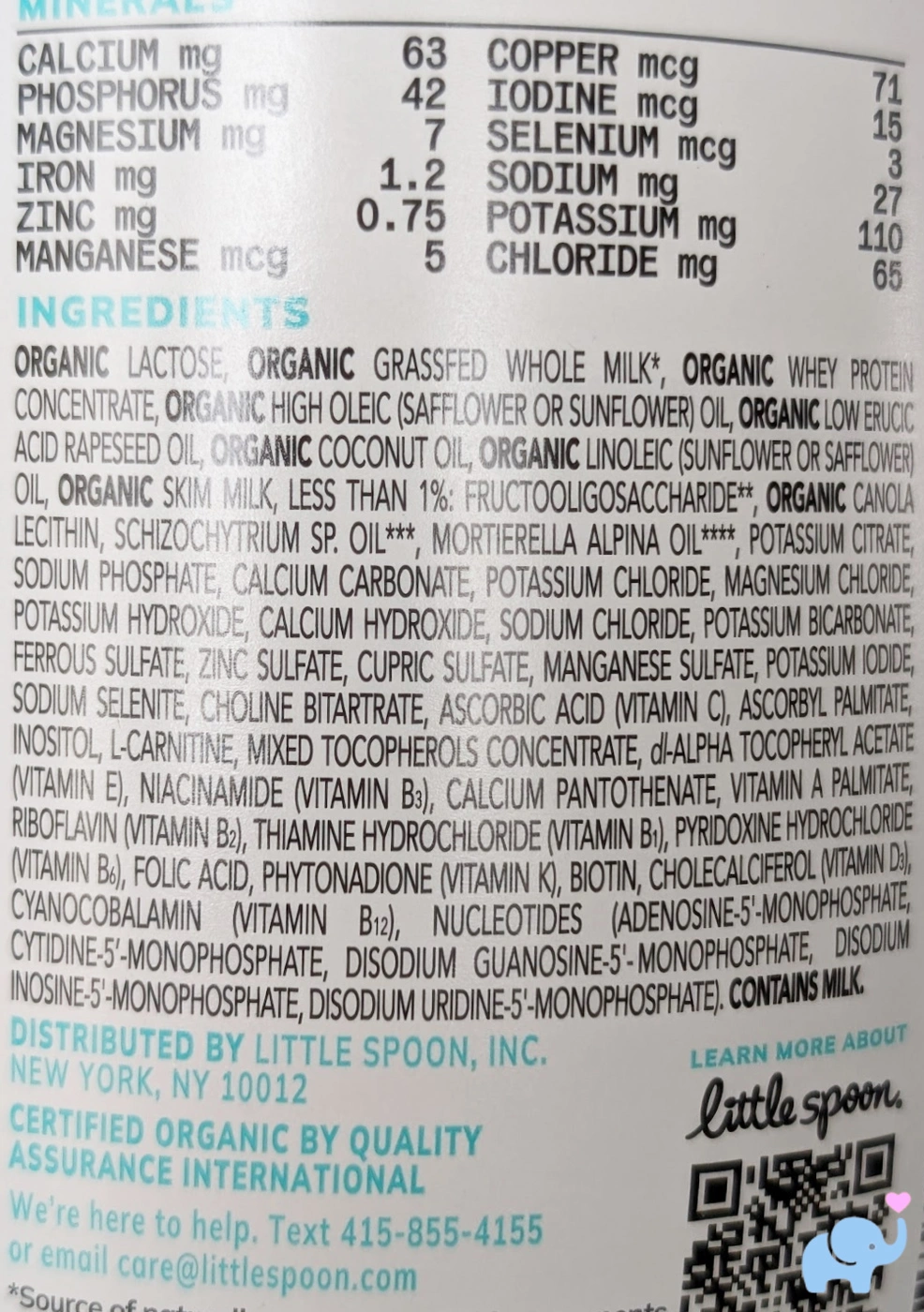
Full ingredients list:
Organic lactose, organic grassfed whole milk, organic whey protein concentrate, organic high oleic (safflower or sunflower) oil, organic low erucic acid rapeseed oil, organic coconut oil, organic linoleic (sunflower or safflower) oil, organic skim milk, less than 1%: fructooligosaccharide, organic canola lecithin, Schizochytrium sp. oil, Mortierella alpina oil, potassium citrate, sodium phosphate, calcium carbonate, potassium chloride, magnesium chloride, potassium hydroxide, calcium hydroxide, sodium chloride, potassium bicarbonate, ferrous sulfate, zinc sulfate, cupric sulfate, manganese sulfate, potassium iodide, sodium selenite, choline bitartrate, ascorbic acid (vitamin C), ascorbyl palmitate, inositol, L-carnitine, mixed tocopherols concentrate, dl-alpha tocopheryl acetate (vitamin E), niacinamide (vitamin B3), calcium pantothenate, vitamin A palmitate, riboflavin (vitamin B2), thiamine hydrochloride (vitamin B1), pyridoxine hydrochloride (vitamin B6), folic acid, phytonadione (vitamin K1), biotin, cholecalciferol (vitamin D3), cyanocobalamin (vitamin B12), nucleotides (adenosine-5'-monophosphate, cytidine-5'-monophosphate, disodium guanosine-5'-monophosphate, disodium inosine-5'-monophosphate, disodium uridine-5'-monophosphate).
Some noteworthy formulation highlights include:
- Organic lactose as the main carbohydrate source.
- No palm oil, which many parents prefer avoiding due to digestibility and stool softness concerns.
- FOS prebiotics for digestive and immune support.
- DHA and ARA to support early development.
- Naturally occurring MFGM components from organic whey protein concentrate and whole milk fats.
- A 60:40 whey-to-casein ratio, which is modeled after breast milk.
We also appreciate the brand's free-from approach. Specifically, the formula is free from corn syrup, gluten, GMOs, palm oil, added soy, synthetic pesticides, synthetic colors or flavors, maltodextrin or other fillers, and artificial growth hormones.
Excellent!
Nutrition Facts
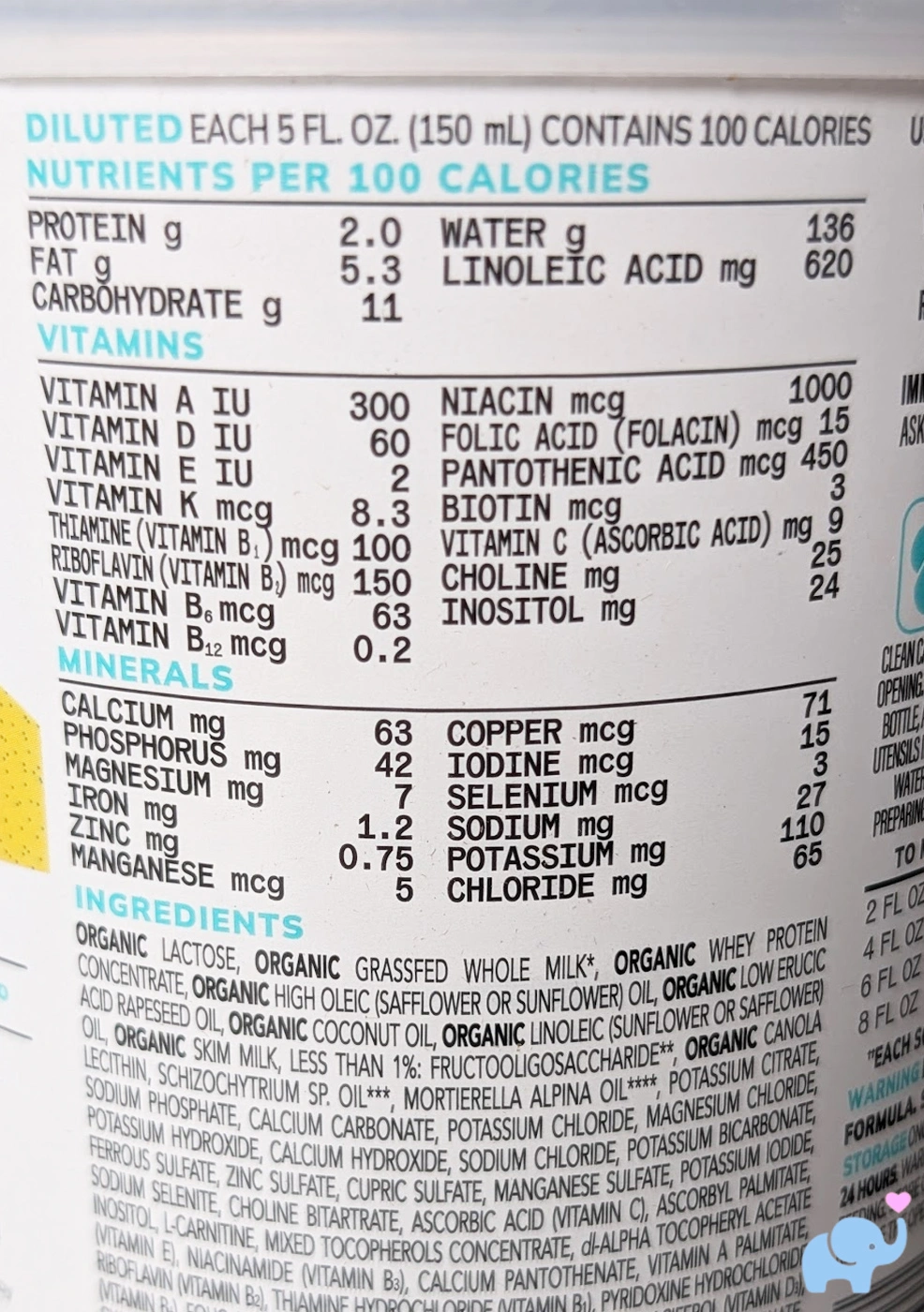
According to the label, every 5 fluid ounces (150 mL) of prepared formula provides 100 calories.
Here are the nutrients listed per 100 calories:
| Nutrient | Amount | Notes |
|---|---|---|
| Protein | 2.0 g | Provides essential amino acids for growth and development |
| Fat | 5.3 g | Main energy source in infant formula and important for brain development |
| Carbohydrate | 11 g | Primarily from organic lactose, the main carbohydrate in breast milk |
| Water | 136 g | Reflects the formula as prepared for feeding |
| Linoleic acid | 620 mg | An essential omega-6 fatty acid important for growth and skin health |
| Vitamin A | 300 IU | Supports vision, immune function, and normal growth |
| Vitamin D | 60 IU | Helps support calcium absorption and bone development |
| Vitamin E | 2 IU | An antioxidant that helps protect cells from oxidative stress |
| Vitamin K | 8.3 mcg | Supports normal blood clotting and bone health |
| Thiamine (B1) | 100 mcg | Helps convert carbohydrates into energy and supports nervous system function |
| Riboflavin (B2) | 150 mcg | Supports energy metabolism and cellular function |
| Vitamin B6 | 63 mcg | Important for protein metabolism and brain development |
| Vitamin B12 | 0.2 mcg | Supports red blood cell formation and nervous system development |
| Niacin | 1000 mcg | Supports energy production and healthy cell function |
| Folic Acid | 15 mcg | Important for cell division and growth |
| Pantothenic Acid | 450 mcg | Supports energy metabolism and synthesis of important biomolecules |
| Biotin | 3 mcg | Helps support fat, carbohydrate, and protein metabolism |
| Vitamin C | 9 mg | Supports immune function and helps with iron absorption |
| Choline | 25 mg | Important for brain development and cell membrane structure |
| Inositol | 24 mg | Commonly included in infant formula to support cellular signaling and development |
| Calcium | 63 mg | Important for bone and tooth development |
| Phosphorus | 42 mg | Works with calcium to support bones, teeth, and energy metabolism |
| Magnesium | 7 mg | Supports muscle function, bone development, and enzyme activity |
| Iron | 1.2 mg | Important for cognitive development and healthy red blood cells |
| Zinc | 0.75 mg | Supports growth, immune function, and wound healing |
| Manganese | 5 mcg | A trace mineral involved in metabolism and bone formation |
| Copper | 71 mcg | Supports iron metabolism, connective tissue formation, and enzyme function |
| Iodine | 15 mcg | Important for thyroid hormones and brain development |
| Selenium | 3 mcg | A trace antioxidant mineral that supports cellular protection |
| Sodium | 27 mg | An electrolyte important for fluid balance and nerve function |
| Potassium | 110 mg | An electrolyte that supports muscle, nerve, and heart function |
| Chloride | 65 mg | An electrolyte that helps maintain fluid and acid-base balance |
FDA Nutrition Comparison
One of the things we like to do when reviewing infant formula is compare the label values to U.S. infant formula nutrition requirements.
Based on the values printed on the can, Little Spoon appears to line up very well with the standard nutrient ranges used for infant formulas in the United States.
| Nutrient | Little Spoon | U.S. Standard | Our Take |
|---|---|---|---|
| Protein | 2.0 g | 1.8-4.5 g | Within range |
| Fat | 5.3 g | 3.3-6.0 g | Within range |
| Calories from fat | 47.7% | 30-54% | Within range |
| Linoleic acid | 620 mg | ≥300 mg | Comfortably above minimum |
| Vitamin A | 300 IU | 250-750 IU | Within range |
| Vitamin D | 60 IU | 40-100 IU | Within range |
| Iron | 1.2 mg | 0.15-3.0 mg | Within range |
| Iodine | 15 mcg | 5-75 mcg | Within range |
| Selenium | 3 mcg | 2-7 mcg | Within range |
| Sodium | 27 mg | 20-60 mg | Within range |
| Potassium | 110 mg | 80-200 mg | Within range |
| Chloride | 65 mg | 55-150 mg | Within range |
| Calcium:Phosphorus ratio | 1.5:1 | 1.1:1 to 2.0:1 | Within range |
| Vitamin E:Linoleic acid ratio | ~3.2 IU/g | ≥0.7 IU/g | Comfortably above minimum |
That's reassuring, and several of the nutrients are not just barely meeting the minimums; they sit comfortably within the target range.
For example, the calcium-to-phosphorus ratio is about 1.5:1, which is right where we would want to see it, and the vitamin E to linoleic acid ratio is also comfortably above the U.S. minimum.
Another nice touch is that the formula includes choline and inositol.
Those nutrients are required in non-milk-based infant formulas, but not necessarily in standard milk-based formulas, so it's a welcome addition here.
Another final point about ingredients: Little Spoon verified with us that their DHA sources are extracted without hexane. See more information about baby formulas that use hexane for DHA extraction here.
Preparation & Mixing
The preparation instructions are straightforward and standard for powdered infant formula.
Little Spoon instructs parents to wash hands, bottles, and utensils, add the desired amount of water to a clean bottle, then add powder using the enclosed scoop, cap the bottle, and shake until dissolved.
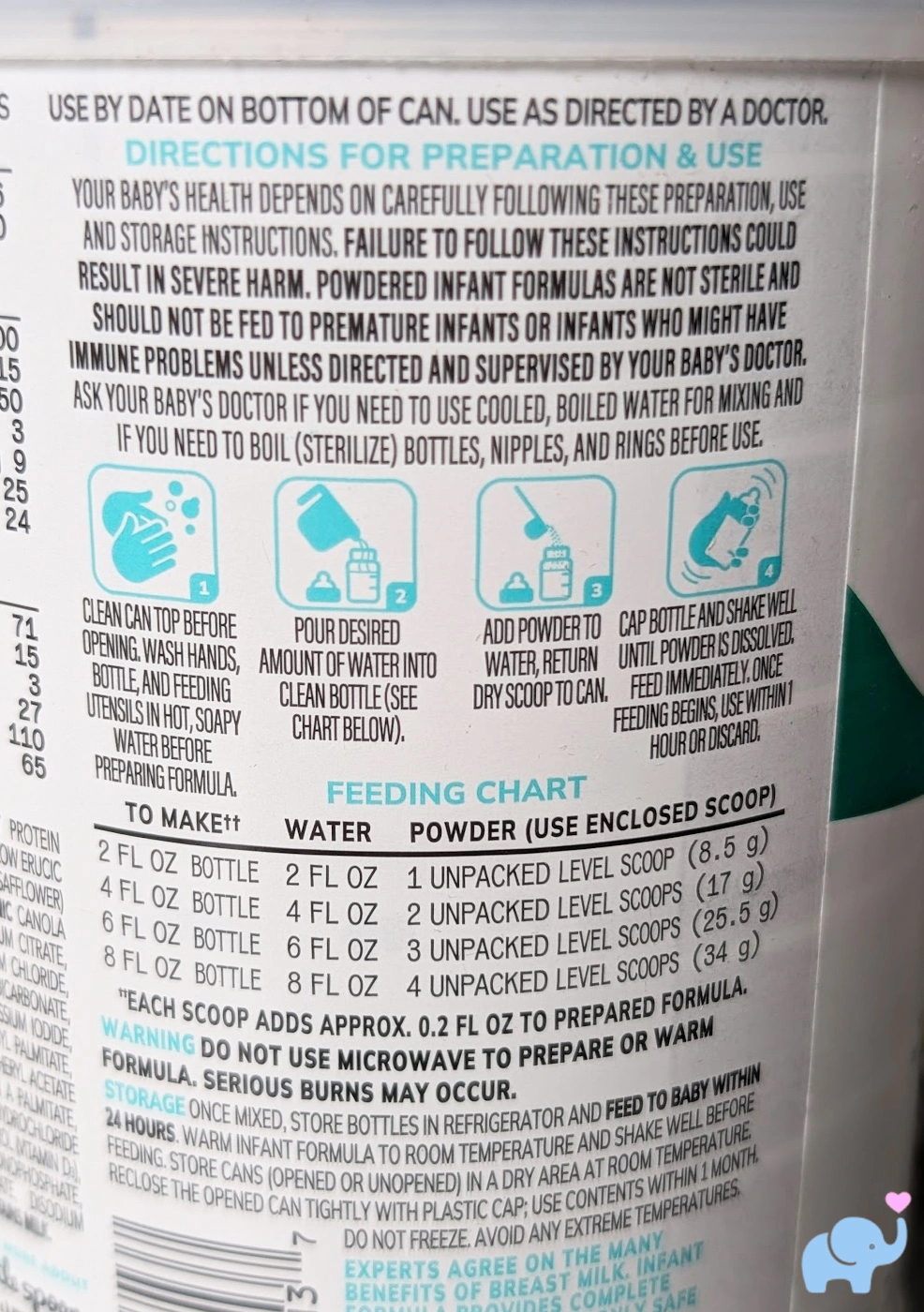
Mixing chart:
| To Make | Water | Powder |
|---|---|---|
| 2 fl oz bottle | 2 fl oz water | 1 unpacked level scoop (8.5 g) |
| 4 fl oz bottle | 4 fl oz water | 2 unpacked level scoops (17 g) |
| 6 fl oz bottle | 6 fl oz water | 3 unpacked level scoops (25.5 g) |
| 8 fl oz bottle | 8 fl oz water | 4 unpacked level scoops (34 g) |
Each scoop adds approximately 0.2 fluid ounces to the prepared formula.
Once feeding begins, the bottle should be used within 1 hour or discarded. Prepared bottles can be refrigerated and used within 24 hours.
As with other powdered formulas, the label also notes that powdered infant formula is not sterile and that parents should ask their doctor whether cooled, boiled water or sterilized feeding equipment is recommended for their baby.
In our own mixing test, the powder dissolved easily and produced minimal foaming.
We also did not notice any obvious clumping issues.
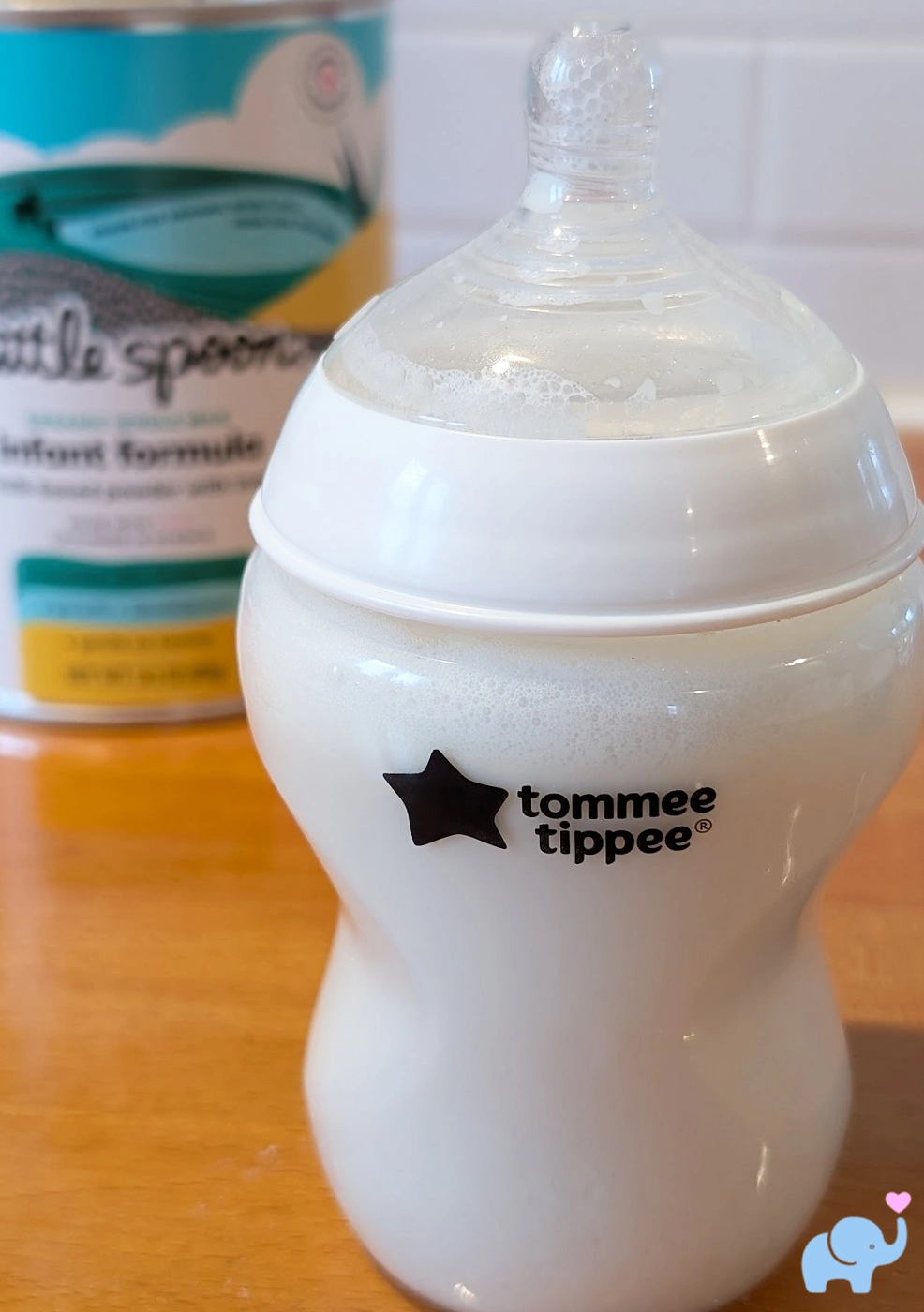
That can make a real difference in day-to-day use, especially for tired parents making multiple bottles a day.
Our Hands-On Testing
We tested Little Spoon Organic Infant Formula with a 5-month-old baby who is usually fed Kendamil Organic Infant Formula.
He took to it easily and tolerated it very well.
Over the course of our testing, we observed minimal gas and burping, and no noticeable reflux.

Of course, every baby is different, and tolerability can vary a lot from one infant to another. But based on our hands-on testing, Little Spoon made a very good first impression.
We think the combination of organic lactose, whole milk, whey-forward protein balance, no palm oil, and relatively clean mixing behavior may all contribute to that positive experience.
Certifications & Claims
Little Spoon makes several meaningful quality and certification claims, and we were happy to see that these are not just marketing fluff.
- USDA Organic
- Certified to the EU organic Equivalency Arrangement under US-ORG-050
- Clean Label Project Purity Award
- Clean Label Project Certified Pesticide Free
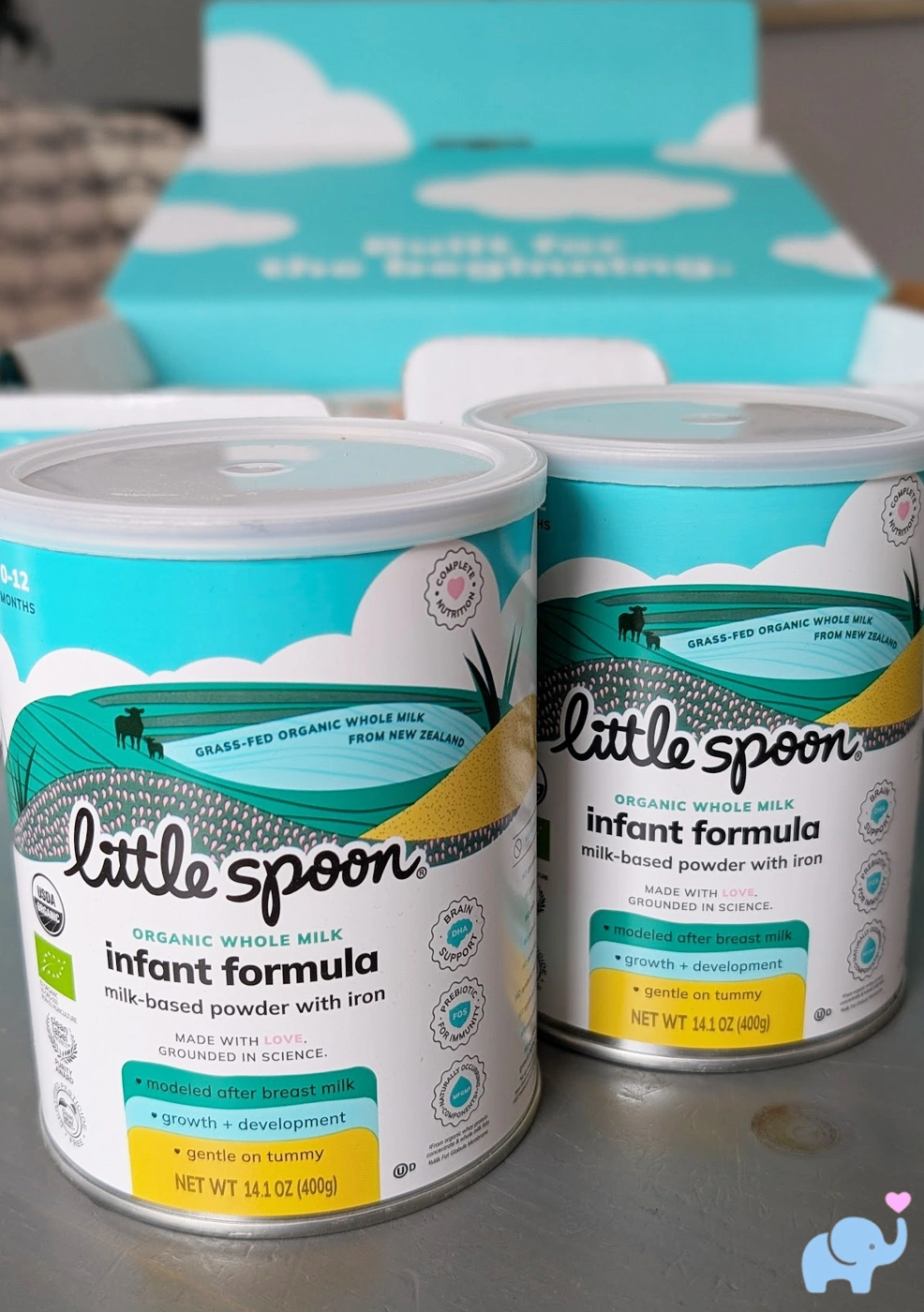
The front of the can also highlights several positioning claims, including:
- Grass-fed organic whole milk from New Zealand
- Modeled after breast milk
- Growth + development
- Gentle on tummy
- Complete nutrition
For parents looking for a formula with strong organic credentials and a more premium ingredient story, this is one of Little Spoon's strongest selling points.
Little Spoon also emphasizes what it calls a more transparent safety approach than is typical in the U.S. formula market.
According to the brand, it is the first U.S. infant formula company to publish its exact heavy metal testing limits and results directly on its website, rather than relying only on broad pass/fail language.
That kind of transparency is refreshing, because it allows parents to see the actual standards the company says it is using and review the posted data for themselves.
Note that in the below table, the "reported limit" is Little Spoon's reported maximum.
| Heavy Metal | Reported Limit | Notes |
|---|---|---|
| Arsenic | ≤20 PPB for baby purees and puffs; ≤40 PPB for baby cereal | Brand-reported limit published on its website |
| Cadmium | ≤40 PPB | Brand-reported limit published on its website |
| Lead | ≤10 PPB | Brand says this is stricter than the EU 20 PPB threshold and aligned with the FDA action level |
| Mercury | ≤3 PPB | A self-set internal limit published by the brand |
Little Spoon also says that every batch undergoes 2,000+ documented quality and safety checks, spanning everything from ingredient intake to final sealing, and that its manufacturing partner has more than 25 years of infant formula experience.
Wondering who makes your baby formula? Check out our list of baby formula manufacturers for all major brands sold in the USA.
Transparency & Ingredient Sourcing
We also reached out to the manufacturer with a few ingredient questions.
Here is what we learned:
- Schizochytrium sp. oil (the DHA source) is extracted without the use of organic solvents.
- Mortierella alpina oil (the ARA source) is extracted using organic solvents.
- The rest of the organic fat blend uses expeller-pressed oils without solvents.
- The stated whey-to-casein protein ratio is 60:40.
We think that deserves a balanced interpretation.
On the positive side, it is nice to hear that the DHA oil is extracted without organic solvents and that the rest of the fat blend uses expeller-pressed oils.
On the downside, the ARA oil is solvent-extracted, and the brand is not especially transparent about the sources of some key ingredients beyond the milk.
That may not bother every parent, but it is absolutely the kind of detail some families care about, especially at this price point.
To Little Spoon's credit, the company also shared additional microbiological testing information that goes beyond the typical ingredient-sourcing discussion.
Specifically, Little Spoon says every batch is voluntarily tested for sulfite-reducing clostridia (SRC), which can serve as an indicator of spore-forming bacterial contamination.
According to the company, the ICMSF guidance level is 100 spores per gram, but Little Spoon uses a stricter internal limit of 10 spores per gram.
If accurate, that would represent a standard 10 times stricter than the referenced ICMSF guidance, which is a meaningful safety point and one we were glad to see disclosed.
Value & Comparisons
Little Spoon positions this as a premium organic formula, and the formulation supports that positioning.
At launch (March, 2026), the price is $30 per tin of formula (14.1 ounces). If you purchase directly from the Little Spoon website (strongly recommended!), they offer a BOGO discount for new customers.
Compared with many mainstream U.S. formulas, it offers several notable advantages: organic whole milk, organic lactose, no palm oil, no corn syrup, no added soy, and strong certification credentials.
It also compares favorably with some popular European-style formulas in that it uses whole milk and a whey-forward protein ratio, while still being tailored for the U.S. market.
In our own testing, the baby who usually drinks Kendamil Organic accepted Little Spoon readily, which we think is a meaningful real-world point of comparison.
Where Little Spoon falls a little short is transparency around ingredient sourcing and small usability details like the buried scoop and lack of a leveling edge.
But taken as a whole, this is a very thoughtfully designed formula that checks a lot of the boxes modern parents care about.
Our Conclusions
Who This Formula Is Best For
- Parents looking for an organic whole milk infant formula
- Families who want organic lactose instead of corn syrup solids or maltodextrin
- Parents specifically avoiding palm oil or added soy
- Babies who do well on whey-forward, milk-based formulas
- Families who value third-party certifications and a more premium ingredient profile
Little Spoon Organic Infant Formula is one of the strongest new formula launches we've tested in quite a while.
It combines an excellent ingredient profile with strong certifications, a solid nutrition panel, easy mixing, and very good real-world tolerability.
We also appreciate the brand's emphasis on safety transparency, including published heavy metal limits and additional microbiological testing details that many competitors do not make easy to find.
We especially like the use of organic lactose, grass-fed organic whole milk from New Zealand, no palm oil, FOS prebiotics, DHA, and naturally occurring MFGM components from dairy ingredients.
We do wish the scoop were easier to find, the tin included a leveling edge, and the company were more transparent about the sourcing of ingredients like lactose and oils.
Even so, those are relatively minor drawbacks compared with the overall quality of the formula.
We give Little Spoon Organic Infant Formula a 4.8 out of 5.0!

Full Review: Good Start Gentle Pro Infant Formula - Dr. Brown’s
Good Start Gentle Pro is one of the more interesting gentle baby formulas we've tested,...
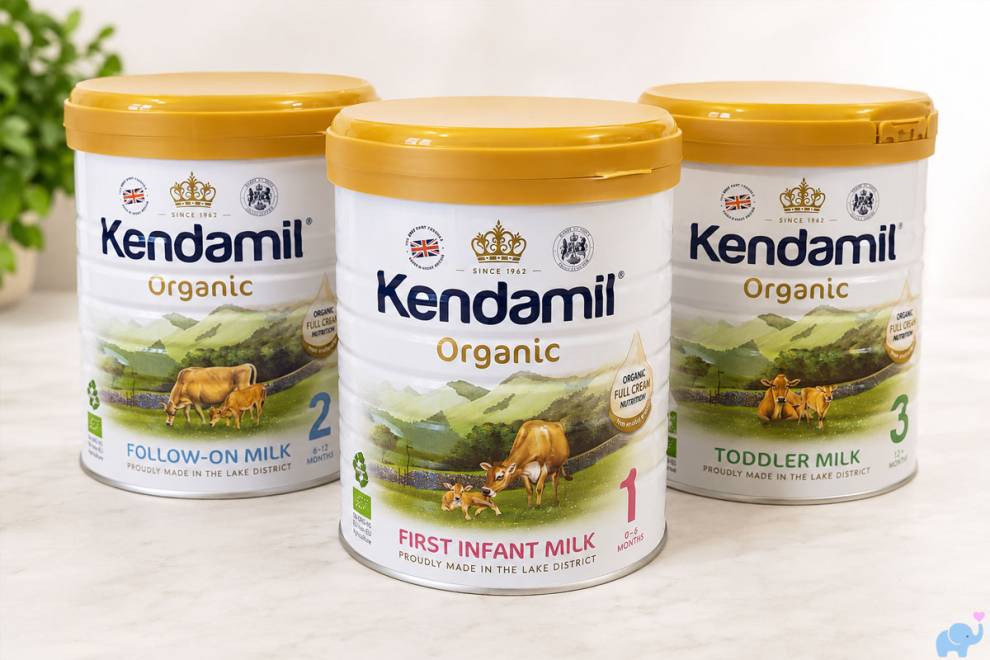
Kendamil Organic Baby Formula Review and Analysis
Kendamil Organic Infant Formula combines organic whole milk from grass-fed European cows...
Best Organic Baby Formulas 2026: Expert Reviews
There are many high-quality organic infant formulas to choose from, including options...
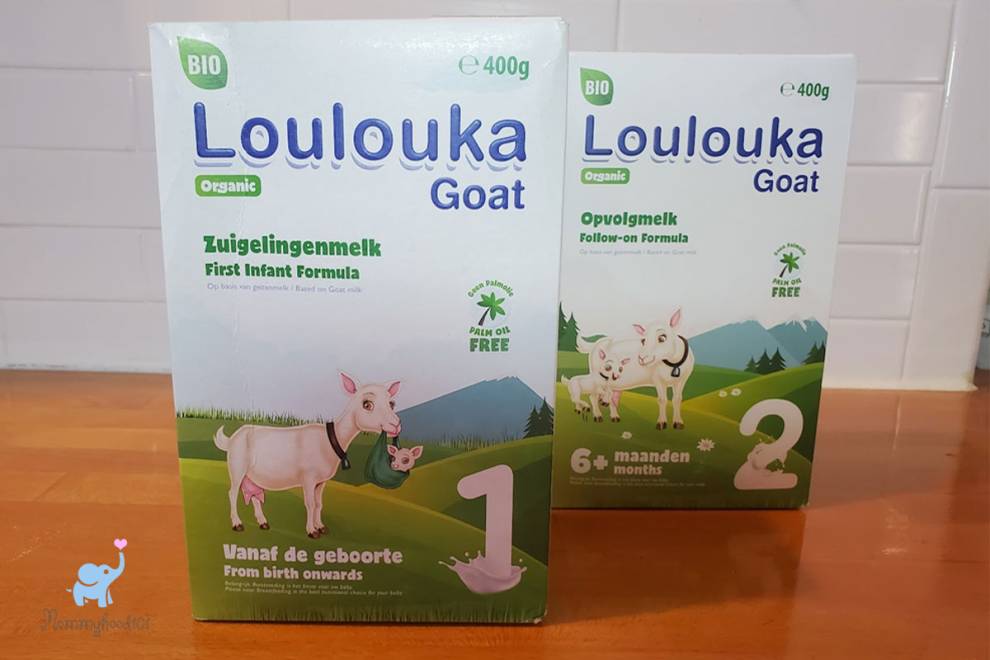
Loulouka Goat Infant Formula Review & Analysis
Loulouka goat milk infant formulas are made in Austria using premium goat milk sourced...