
Hands-on Review: Enfamil NeuroPro Gentlease Infant Formula
A popular gentle formula that impressed us with easy mixing, partially hydrolyzed proteins, HMO, DHA, and digestive tolerance!
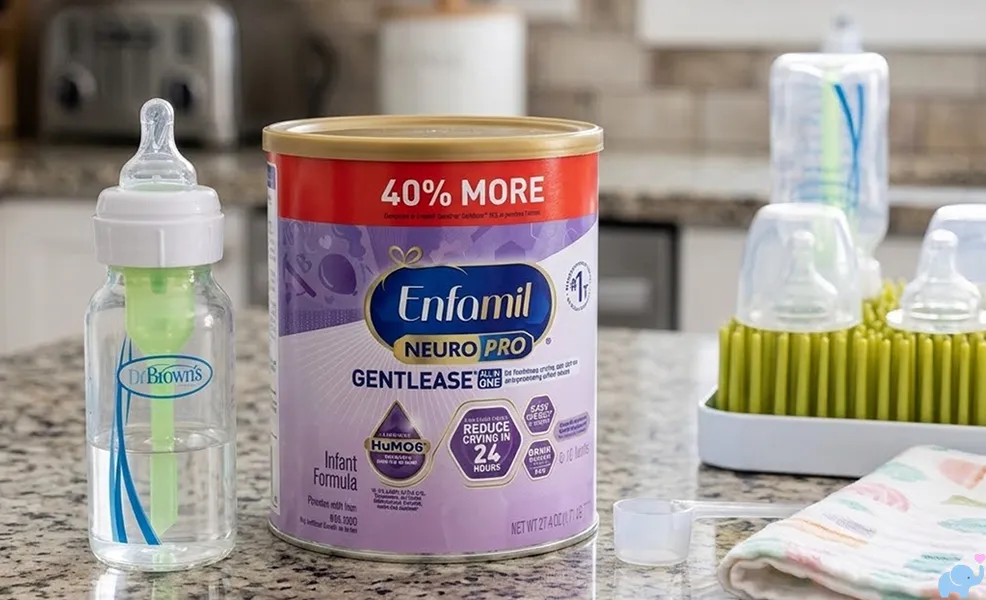
 By: Tali Ditye, Ph.D., Co-founder
Mommyhood101 independently curates baby gear to help inform decisions; if you buy through links on our site, we may earn a commission.
We put Enfamil NeuroPro Gentlease Infant Formula to the test, evaluating its ingredients, nutrition, protein composition, mixing, taste, packaging, tolerability, sourcing, consumer feedback, and overall value.
We also tested it with three babies, 3, 6, and 8 months old. Our 3- and 6-month-old testers regularly experience some combination of gas, constipation, reflux, or fussiness, making them particularly useful testers for a formula designed around digestive comfort.
Let's see how it performed!
Full disclosure: As always, parents should consult their pediatrician before switching formulas, particularly when allergies, reflux, poor growth, persistent diarrhea or constipation, or other medical concerns are involved.
Enfamil NeuroPro Gentlease is designed to provide complete nutrition for babies during the first year of life, particularly those who may have difficulty tolerating conventional intact-protein milk formulas.
It modifies both sides of the digestive equation by partially hydrolyzing its milk proteins and reducing lactose by about 80% compared with standard milk-based infant formulas.
Importantly, Gentlease is not hypoallergenic and still contains cow's milk protein and soy.
Our Enfamil NeuroPro Gentlease Formula Review
Nobody wants to read through an entire article to get to conclusions; you've got more important things to do! So here are our findings, right up front.
Here is a summary of what we loved, and a few things that could be improved.
✔️ Complete nutrition 0-12 mo.
✔️ Contains iron.
✔️ Partially hydrolyzed milk proteins.
✔️ About 80% less lactose.
✔️ Contains 2'-FL HMO.
✔️ PDX + GOS prebiotics.
✔️ Includes DHA + ARA.
✔️ Contains MFGM components.
✔️ Non-GMO ingredients.
✔️ Easy to prepare and mix.
✔️ Impressively little foaming.
✔️ Resealable refill pouch system.
✔️ Two of three test babies readily accepted it.
✔️ Encouraging digestive tolerance.
✔️ Softer stools in both babies who drank it.
✔️ Widely available.
✔️ Powder and ready-to-feed options.
❌ Moderate clumping after shaking.
❌ Corn syrup solids are the first ingredient.
❌ Contains palm olein oil.
❌️ Contains soy oil and soy lecithin.
❌️ Taste is somewhat bitter.
❌️ One of our three babies refused it.
❌️ Limited ingredient sourcing transparency.
❌️ Not organic.
Overall, Enfamil NeuroPro Gentlease made a very strong impression.
We particularly like its partially hydrolyzed milk proteins, 2'-FL HMO, PDX and GOS prebiotics, DHA and ARA, and long track record as a widely available gentle formula.
Our hands-on testing was encouraging, too.
Our 3- and 6-month-old babies readily accepted it, and both parents thought their babies' usual digestive issues may have improved slightly.
Most notably, both babies had softer stools than usual.

There are some tradeoffs.
Corn syrup solids are the primary carbohydrate source, the fat blend contains palm olein and soy oil, and our 8-month-old tester strongly disliked the taste and refused to drink it.
We also encountered more clumping than with Good Start Gentle Pro or Similac 360 Total Care Gentle Comfort, although foaming was impressively low.
Still, we think NeuroPro Gentlease is one of the better mainstream gentle formulas currently available.
It's easily worthy of a spot on our list of the best gentle baby formulas!
Unboxing & Packaging
Enfamil NeuroPro Gentlease is sold in several powder sizes, including convenient tubs, larger cans, refill boxes, and club-size packages.
It is also available in ready-to-feed bottles, which can be especially useful for travel, daycare, newborn feeding, or nighttime bottles.
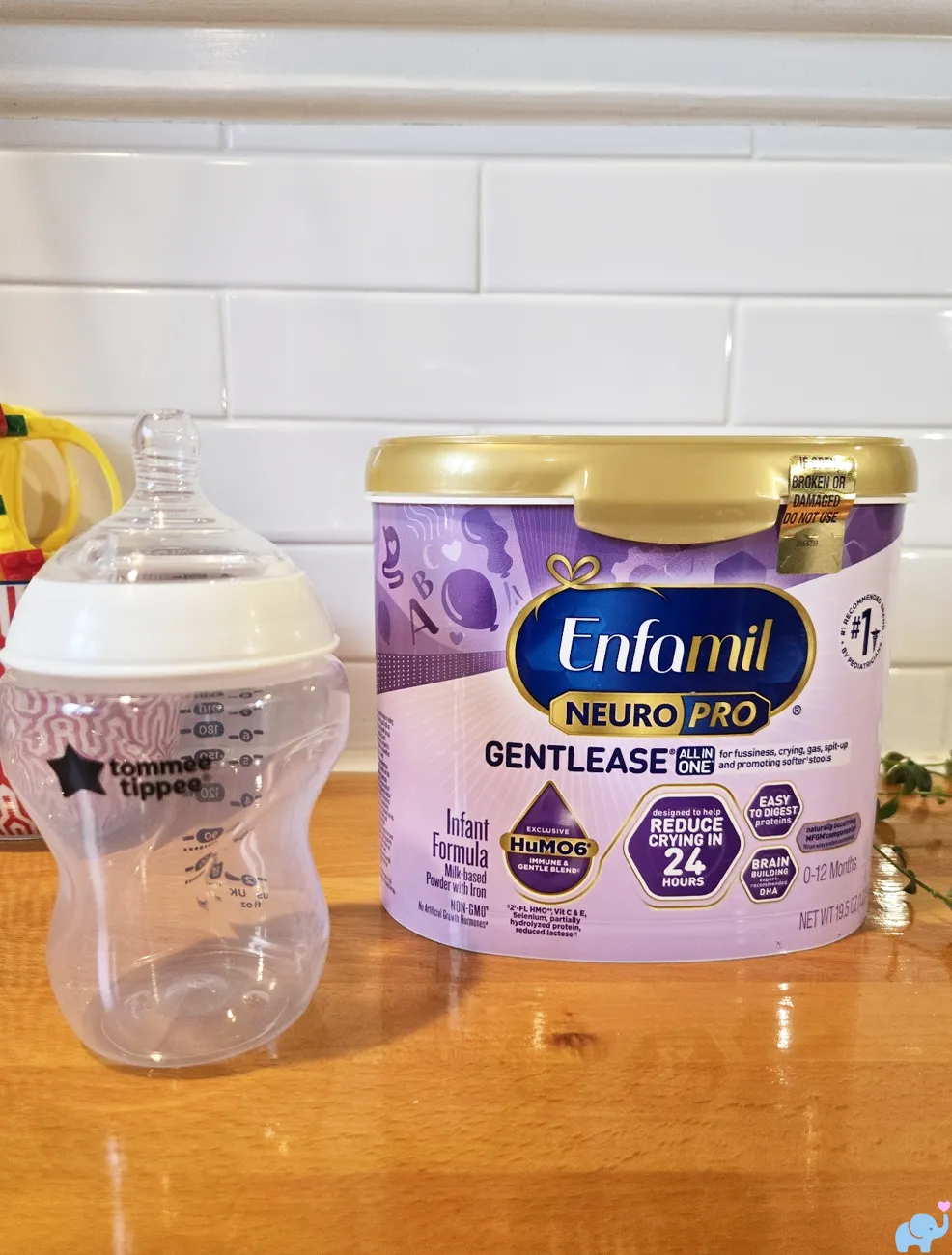
The familiar purple packaging clearly distinguishes Gentlease from standard yellow-label Enfamil NeuroPro.
Preparation instructions, nutrition facts, ingredients, storage information, and feeding guidance are clearly printed on the container.
Opening a new tub involves a little more setup than some competing formulas.
The scoop comes separately sealed in its own small pouch, while the powder itself is contained inside a large foil pouch inside the tub.
That means you'll need to open the scoop pouch and then either leave the powder in its foil pouch or empty it into the tub before making your first bottle.
Fortunately, the large foil pouch is resealable, so you don't actually need to transfer the powder into the tub.
We like that flexibility because it makes it possible to reuse the tub with Enfamil refill pouches rather than buying a completely new tub every time.
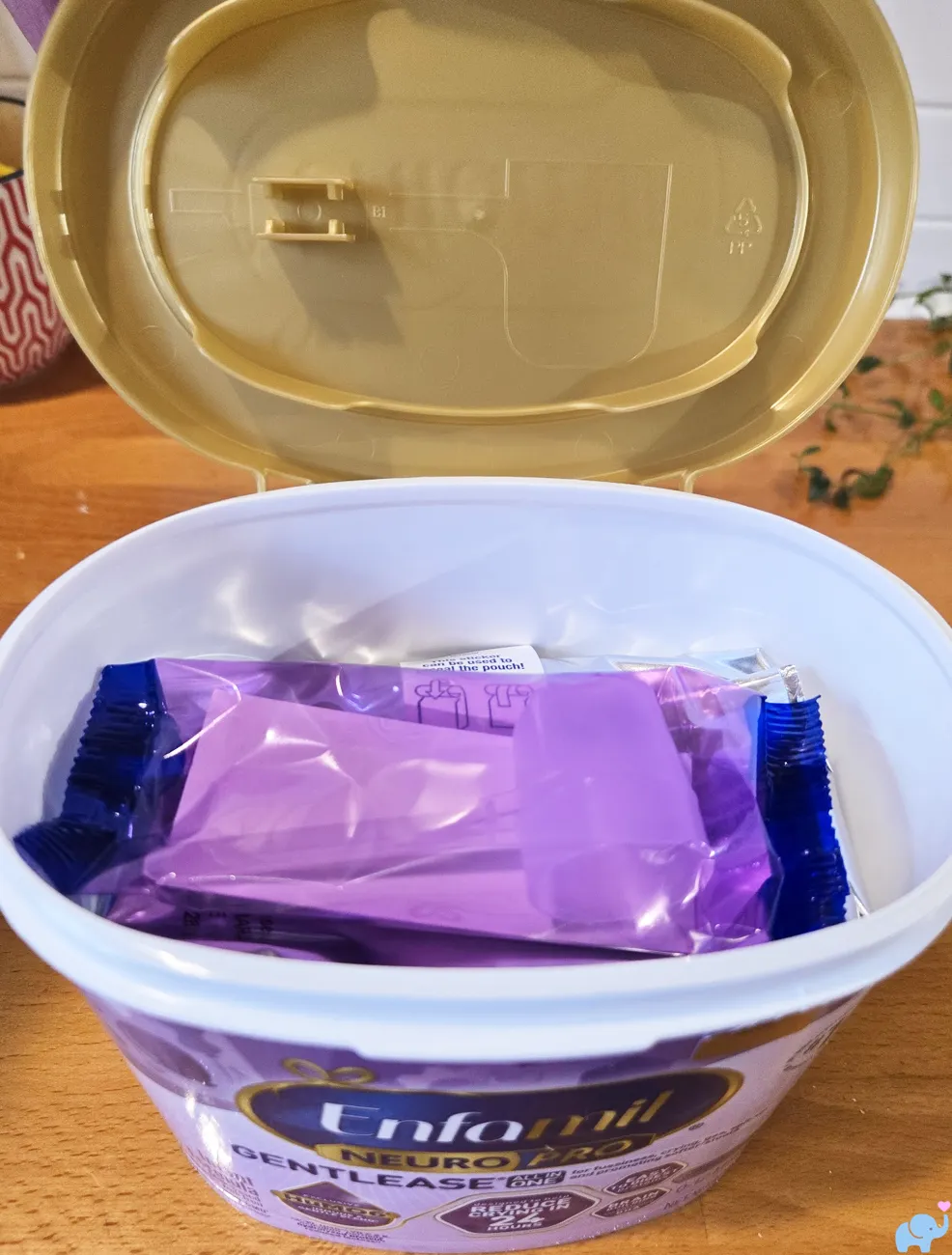
One unpacked level scoop is used for every 2 fluid ounces of water.
The powder itself is relatively fine and light in color.
It has a somewhat stronger and less milky aroma than a conventional intact-protein formula, which isn't surprising given its partially hydrolyzed protein.
We didn't find the smell particularly objectionable.
Ingredients
The ingredient list is where Enfamil NeuroPro Gentlease becomes especially interesting.
The first ingredient is corn syrup solids, followed by partially hydrolyzed nonfat milk and whey protein concentrate solids.
Unlike conventional formulas that use completely intact cow's milk proteins, Gentlease partially hydrolyzes its milk proteins into smaller peptide fragments.
This is one of the primary reasons it may be easier for some babies to tolerate.
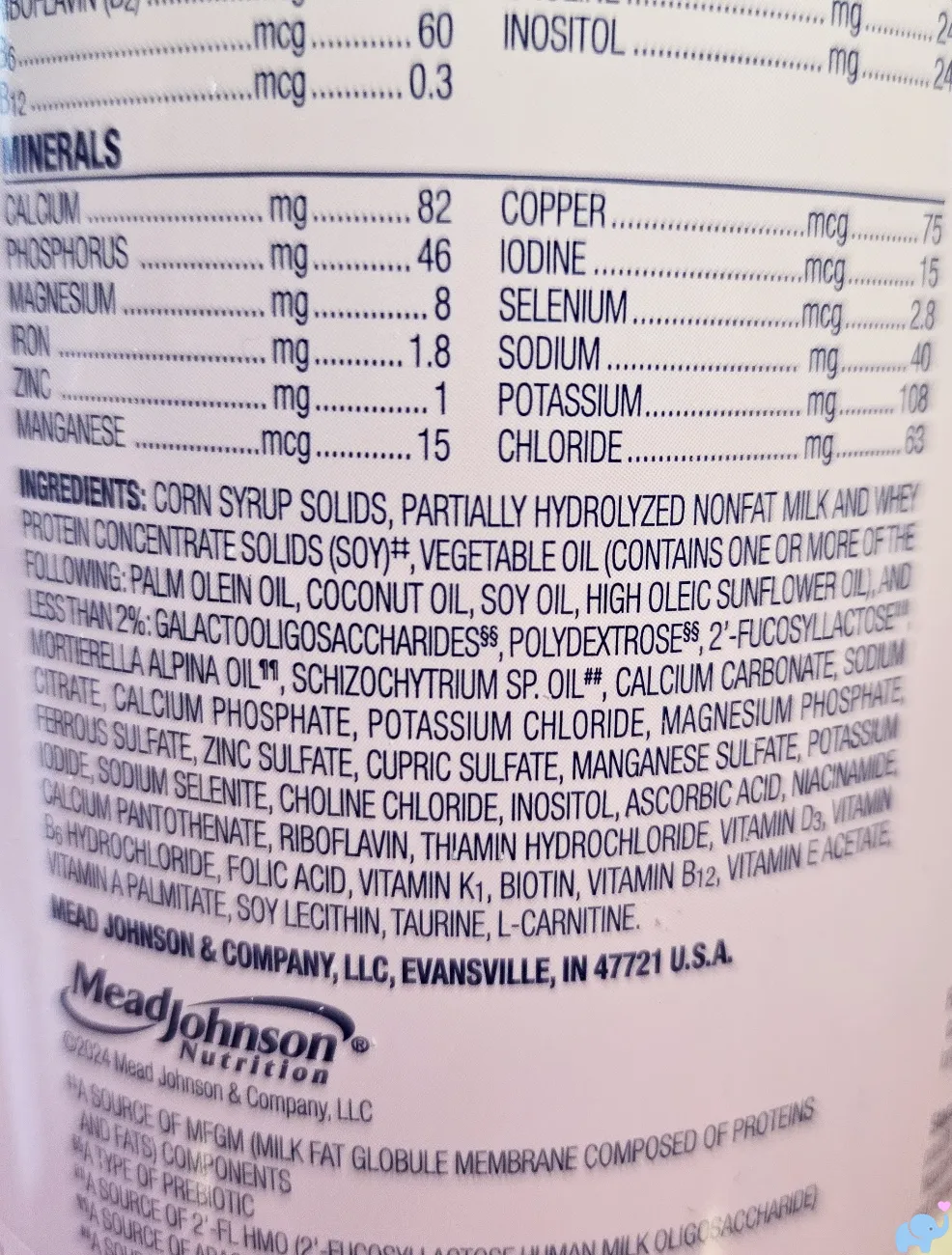
Full ingredients list:
Corn syrup solids, partially hydrolyzed nonfat milk and whey protein concentrate solids (soy), vegetable oil (palm olein, coconut, soy and high oleic sunflower oils), and less than 2%: 2'-fucosyllactose, galactooligosaccharides, polydextrose, Mortierella alpina oil, Schizochytrium sp. oil, calcium carbonate, sodium citrate, calcium phosphate, potassium chloride, magnesium phosphate, ferrous sulfate, zinc sulfate, cupric sulfate, manganese sulfate, potassium iodide, sodium selenite, choline chloride, inositol, ascorbic acid, niacinamide, calcium pantothenate, riboflavin, thiamin hydrochloride, vitamin D3, vitamin B6 hydrochloride, folic acid, vitamin K1, biotin, vitamin B12, vitamin E acetate, vitamin A palmitate, soy lecithin, taurine, and L-carnitine.
Contains milk and soy ingredients.
Some noteworthy formulation highlights include:
- Partially hydrolyzed nonfat milk and whey proteins.
- Approximately 80% less lactose than standard routine milk-based formulas.
- 2'-FL human milk oligosaccharide.
- PDX and GOS prebiotics.
- DHA and ARA to support brain and eye development.
- MFGM components from the whey protein concentrate.
- Choline, taurine, inositol, and L-carnitine.
- Non-GMO ingredients.
The carbohydrate profile is one of our biggest reservations.
Rather than keeping lactose as its primary carbohydrate, Gentlease relies mainly on corn syrup solids while retaining a relatively small amount of lactose.
Enfamil describes the formula as containing about 80% less lactose than standard routine milk-based infant formulas.
That may be helpful for some babies with temporary difficulty digesting lactose.
However, true primary lactose intolerance is uncommon during infancy, and most healthy babies digest lactose normally.
Lactose is also the predominant carbohydrate naturally found in breast milk.
For those reasons, we generally prefer gentle formulas that can achieve good tolerance while retaining more lactose.
That doesn't make corn syrup solids unsafe; they're a commonly used and easily digestible carbohydrate source in infant formula.
But it is a meaningful nutritional difference parents may want to consider.
The fat blend also deserves mention.
Gentlease uses palm olein, coconut, soy, and high-oleic sunflower oils.
Palm olein is commonly used in infant formulas to provide palmitic acid, but some research has associated palm-olein-containing formulas with somewhat firmer stools and reduced calcium and fat absorption compared with certain alternative fat blends.
Interestingly, that wasn't what we observed in our testing: both babies who drank Gentlease actually had softer stools than usual.
Nutrition Facts
When prepared according to the label, approximately 5 fluid ounces of Enfamil NeuroPro Gentlease provides 100 calories, or the standard 20 calories per fluid ounce.
Here are the major nutrients per 100 calories:
| Nutrient | Amount | Notes |
|---|---|---|
| Protein | 2.3 g | Partially hydrolyzed nonfat milk and whey proteins |
| Fat | 5.3 g | Palm olein, coconut, soy & high-oleic sunflower oils |
| Carbohydrate | 11.1 g | Primarily corn syrup solids, with reduced lactose |
| Linoleic Acid | 780 mg | Essential omega-6 fatty acid |
| DHA | 17 mg | Omega-3 fatty acid important for brain and eye development |
| ARA | 25 mg | Long-chain fatty acid important during infancy |
| Vitamin A | 300 IU | Supports vision, growth, and immune function |
| Vitamin D | 70 IU | Supports calcium absorption and bone development |
| Vitamin E | 2 IU | Antioxidant vitamin important for cell protection |
| Vitamin K | 9 mcg | Supports normal blood clotting |
| Vitamin C | 12 mg | Supports immune function and iron absorption |
| Choline | 24 mg | Important for brain development and cell membranes |
| Inositol | 24 mg | Supports cellular signaling and development |
| Calcium | 82 mg | Important for bone development |
| Phosphorus | 46 mg | Works with calcium to support bones and metabolism |
| Magnesium | 8 mg | Supports muscle, nerve, and enzyme function |
| Iron | 1.8 mg | Supports red blood cells and cognitive development |
| Zinc | 1 mg | Supports growth and immune function |
| Copper | 75 mcg | Supports iron metabolism and connective tissue |
| Iodine | 15 mcg | Important for thyroid and brain development |
| Selenium | 2.8 mcg | Antioxidant trace mineral |
| Sodium | 40 mg | Electrolyte important for fluid balance |
| Potassium | 108 mg | Supports nerve, muscle, and heart function |
| Chloride | 63 mg | Helps maintain fluid and acid-base balance |
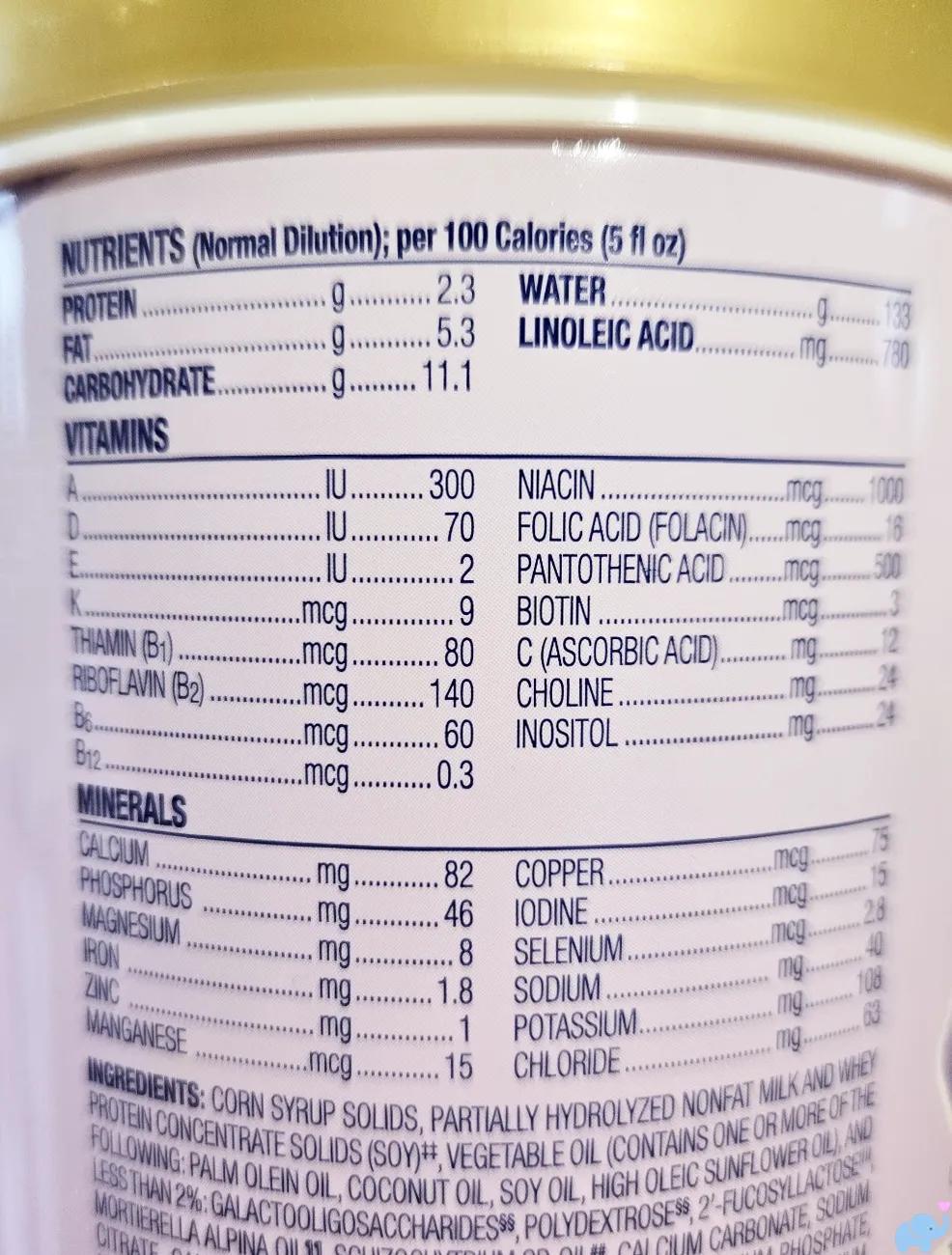
Beyond the standard vitamins and minerals, there are several additions we particularly like: DHA, ARA, 2'-FL HMO, PDX and GOS prebiotics, and MFGM components.
The 2'-FL HMO is structurally identical to one of the many human milk oligosaccharides naturally present in breast milk, although the ingredient used in formula is not obtained from human milk.
HMOs can act in part as prebiotic substrates and interact with the developing intestinal microbiome.
PDX and GOS provide additional prebiotic support and have been studied in infant formulas for their effects on stool consistency and intestinal bacteria.
We think this is a strong digestive-support package, although Similac 360 Total Care Gentle Comfort has an advantage by providing a broader five-HMO blend.
FDA Nutrition Comparison
One of the things we like to do when reviewing infant formula is compare the label values with standard U.S. infant formula nutrition requirements.
NeuroPro Gentlease provides complete infant nutrition and its nutrient profile falls comfortably within the ranges required for U.S. infant formulas.
| Nutrient | NeuroPro Gentlease | U.S. Standard | Our Take |
|---|---|---|---|
| Protein | 2.3 g | 1.8-4.5 g | Within range |
| Fat | 5.3 g | 3.3-6.0 g | Within range |
| Linoleic Acid | 780 mg | ≥300 mg | Comfortably above minimum |
| Vitamin A | 300 IU | 250-750 IU | Within range |
| Vitamin D | 70 IU | 40-100 IU | Within range |
| Iron | 1.8 mg | 0.15-3.0 mg | Within range |
| Iodine | 15 mcg | 5-75 mcg | Within range |
| Selenium | 2.8 mcg | 2-7 mcg | Within range |
| Sodium | 40 mg | 20-60 mg | Within range |
| Potassium | 108 mg | 80-200 mg | Within range |
| Chloride | 63 mg | 55-150 mg | Within range |
| Calcium:Phosphorus ratio | 1.8:1 | 1.1:1 to 2.0:1 | Within range |
There were no obvious nutritional shortcomings in our review of the label.
As with other gentle formulas, what makes Gentlease distinctive isn't the amount of protein or calories; it's the form of the protein, reduced lactose, and its broader digestive-support formulation.
Preparation & Mixing
The preparation instructions are straightforward and will be familiar to anyone who has prepared conventional powdered infant formula.
Enfamil instructs parents to wash their hands, clean preparation surfaces and utensils, measure water into the bottle first, and then add the appropriate number of unpacked level scoops.
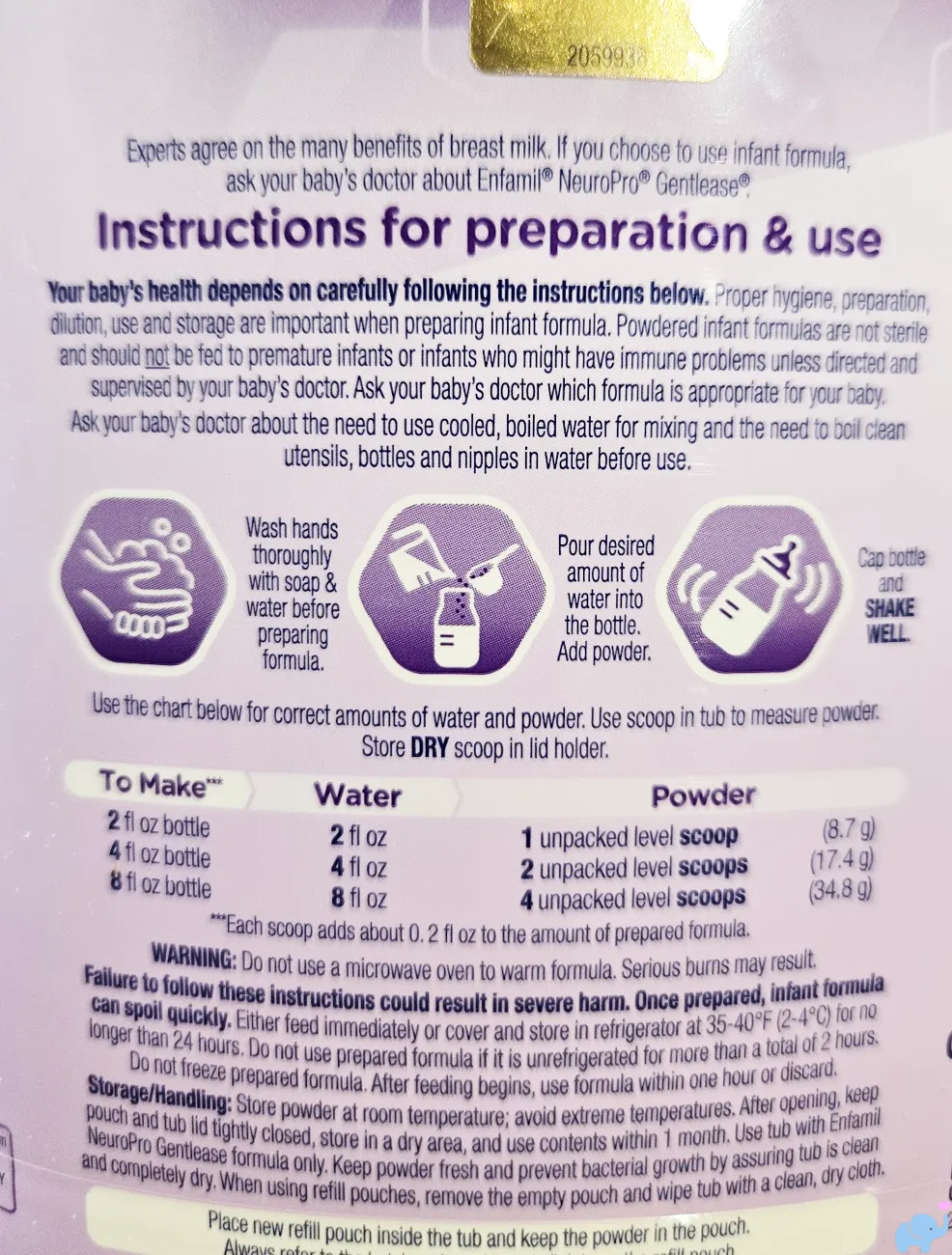
Mixing chart:
| Water | Powder |
|---|---|
| 2 fl oz water | 1 unpacked level scoop |
| 4 fl oz water | 2 unpacked level scoops |
| 6 fl oz water | 3 unpacked level scoops |
| 8 fl oz water | 4 unpacked level scoops |
Prepared formula that will not be fed immediately should be refrigerated promptly and used within 24 hours.
Once feeding begins, remaining formula should be discarded after 1 hour.
As with other powdered infant formulas, NeuroPro Gentlease is not sterile, so parents of premature, medically fragile, or immunocompromised babies should discuss appropriate preparation procedures with their pediatrician.
In our own testing, preparation was easy.
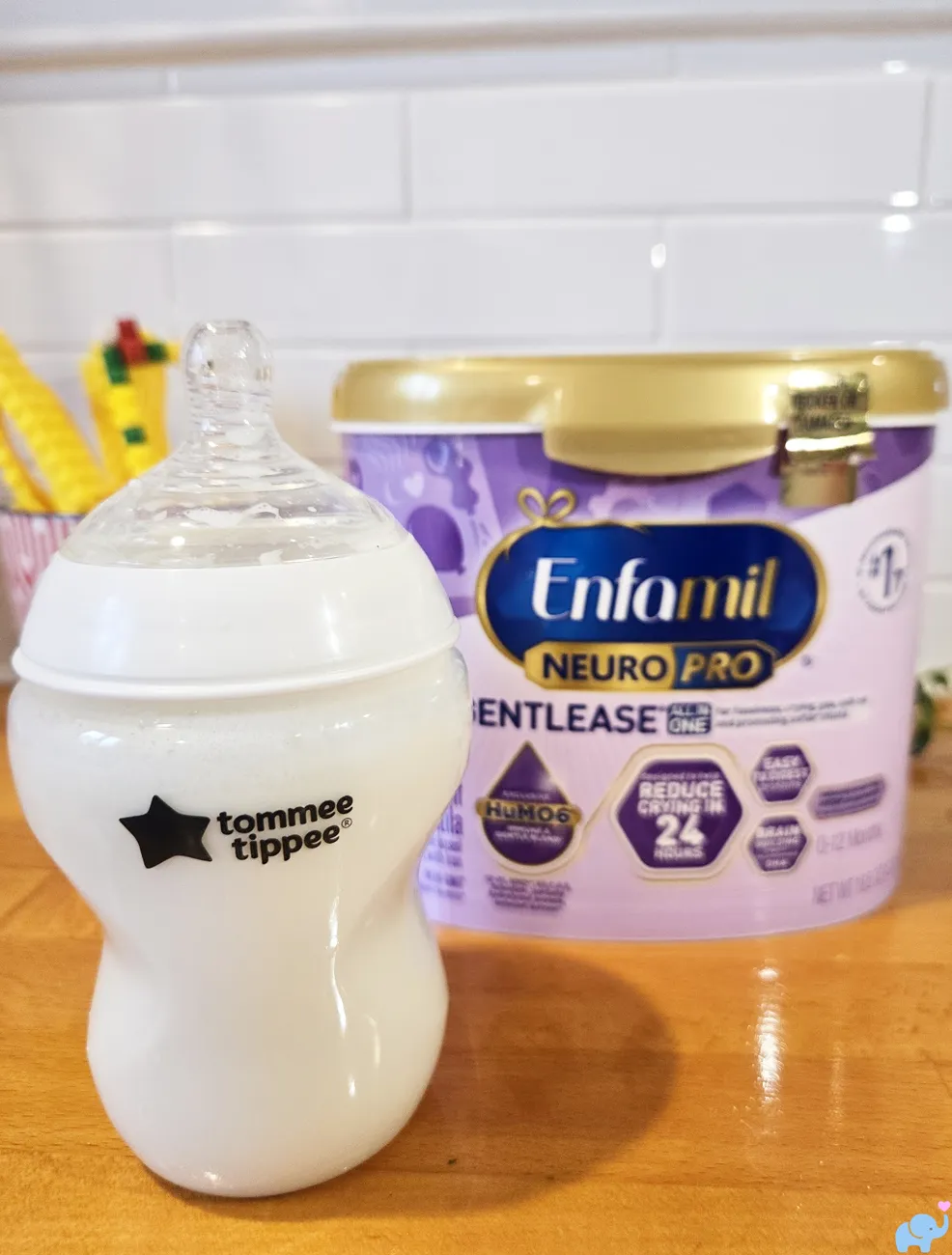
We used a 9-ounce Tommee Tippee bottle, adding the water first and then the appropriate amount of powder.
After shaking, we were impressed by how little foam developed.
There was only a thin layer of bubbles at the surface rather than the thick foam we've seen with some powdered formulas.
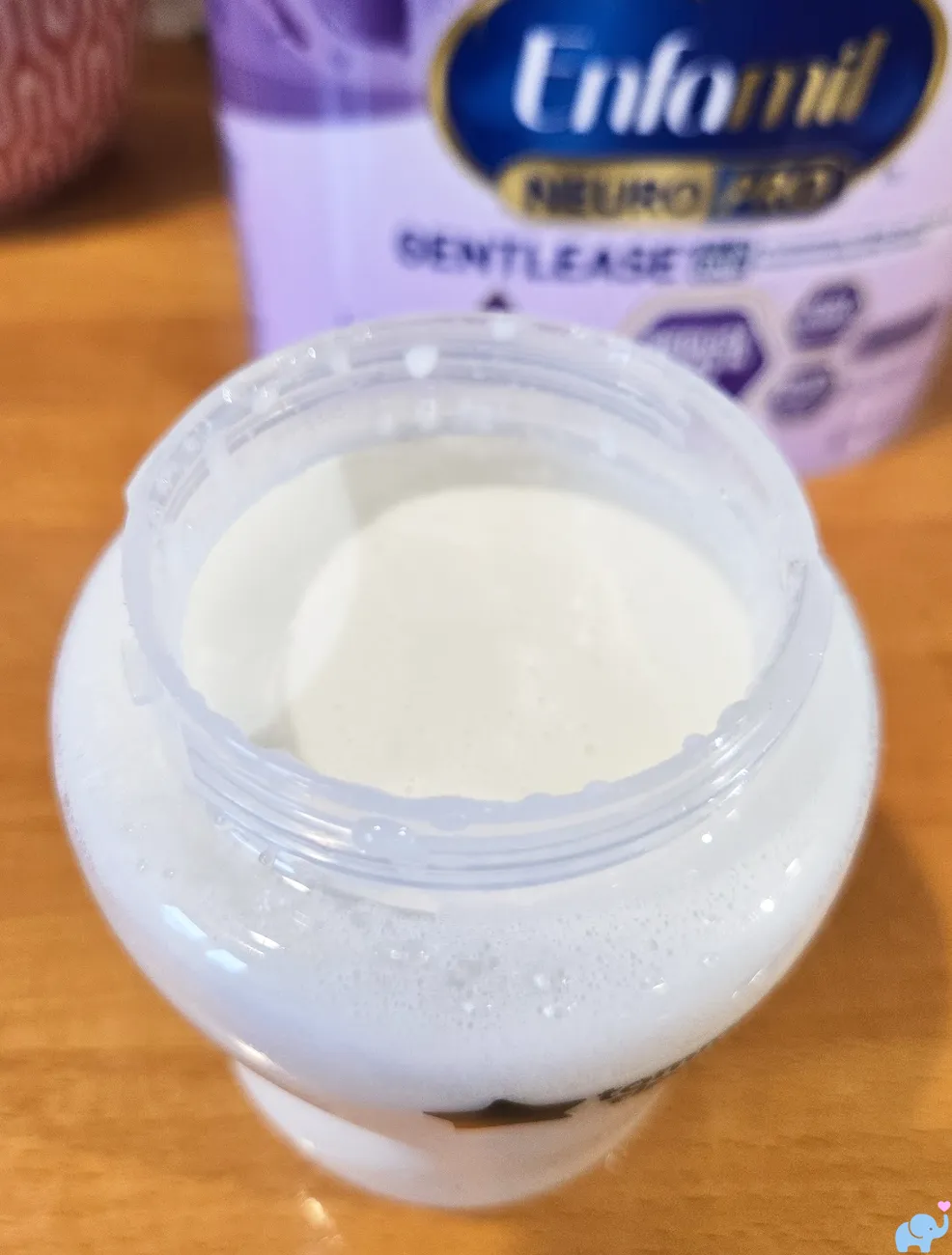
Clumping was less impressive.
We noticed a moderate amount of small clumps after shaking.
Nothing about the clumping was concerning and the formula was still easy to prepare, but it was noticeably more than we encountered with Good Start Gentle Pro or Similac 360 Total Care Gentle Comfort.
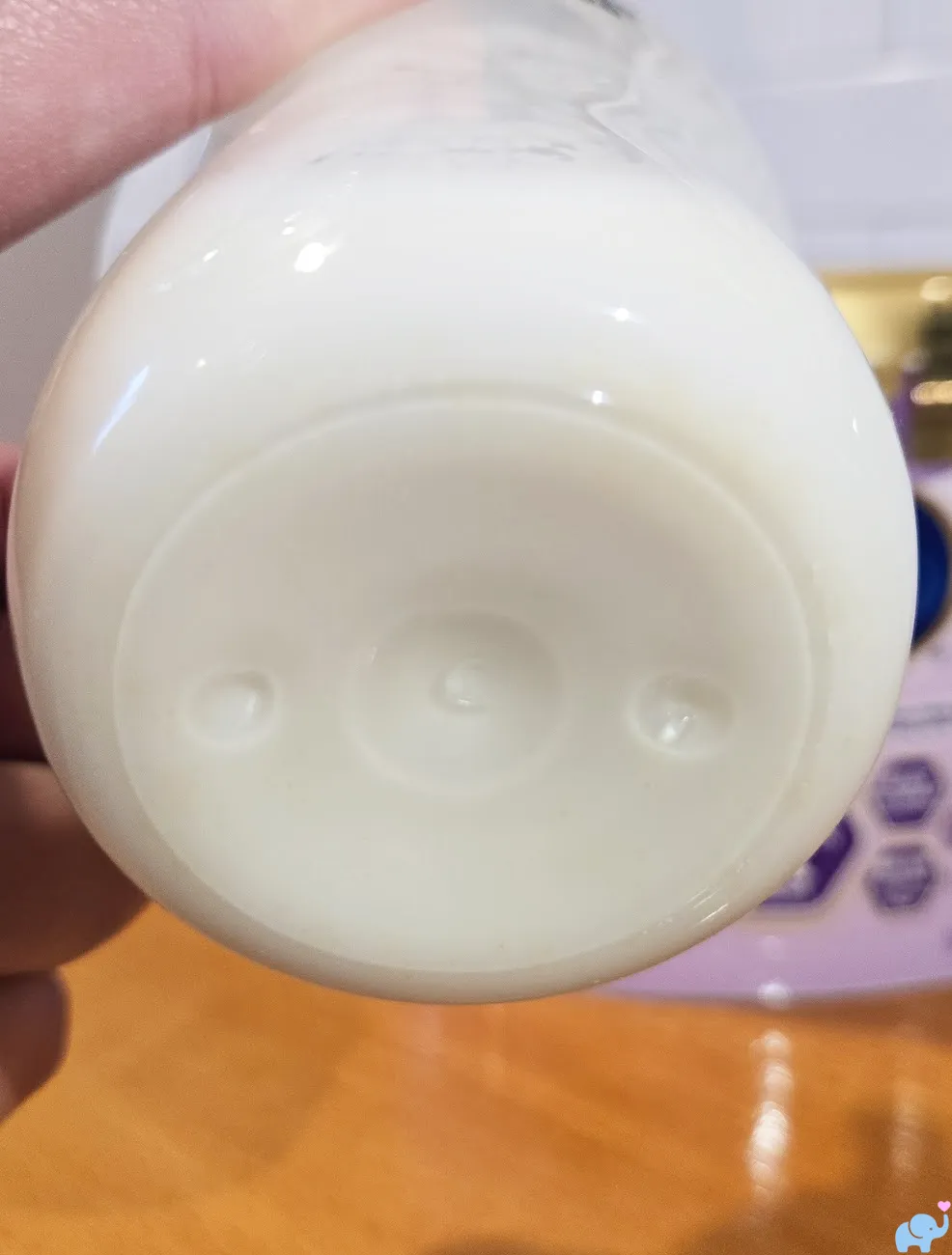
Overall, we'd characterize the mixing performance as good rather than excellent: preparation was straightforward and foaming was impressively low, but Gentlease produced more clumping than our favorite gentle formulas.
We also sampled the prepared formula ourselves.
Partially hydrolyzed proteins can create a more bitter flavor than intact milk proteins because breaking proteins into smaller peptides changes their sensory characteristics.
That was definitely noticeable here.
We found NeuroPro Gentlease somewhat bitter, with less of the sweet, milky flavor we associate with conventional lactose-heavy formulas.
It wasn't nearly as unpleasant as some extensively hydrolyzed hypoallergenic formulas we've sampled, but the bitterness was obvious enough that we weren't surprised when one of our babies refused it.
Our Hands-On Testing
For our real-world testing, we tried Enfamil NeuroPro Gentlease with three babies: 3 months, 6 months, and 8 months old.
Our 3- and 6-month-old testers already tended toward some combination of constipation, gas, reflux, and fussiness, making them particularly relevant testers for a formula marketed toward sensitive tummies.
Our 3-month-old accepted NeuroPro Gentlease readily.
There was no obvious hesitation over the flavor, and the formula was consumed normally.
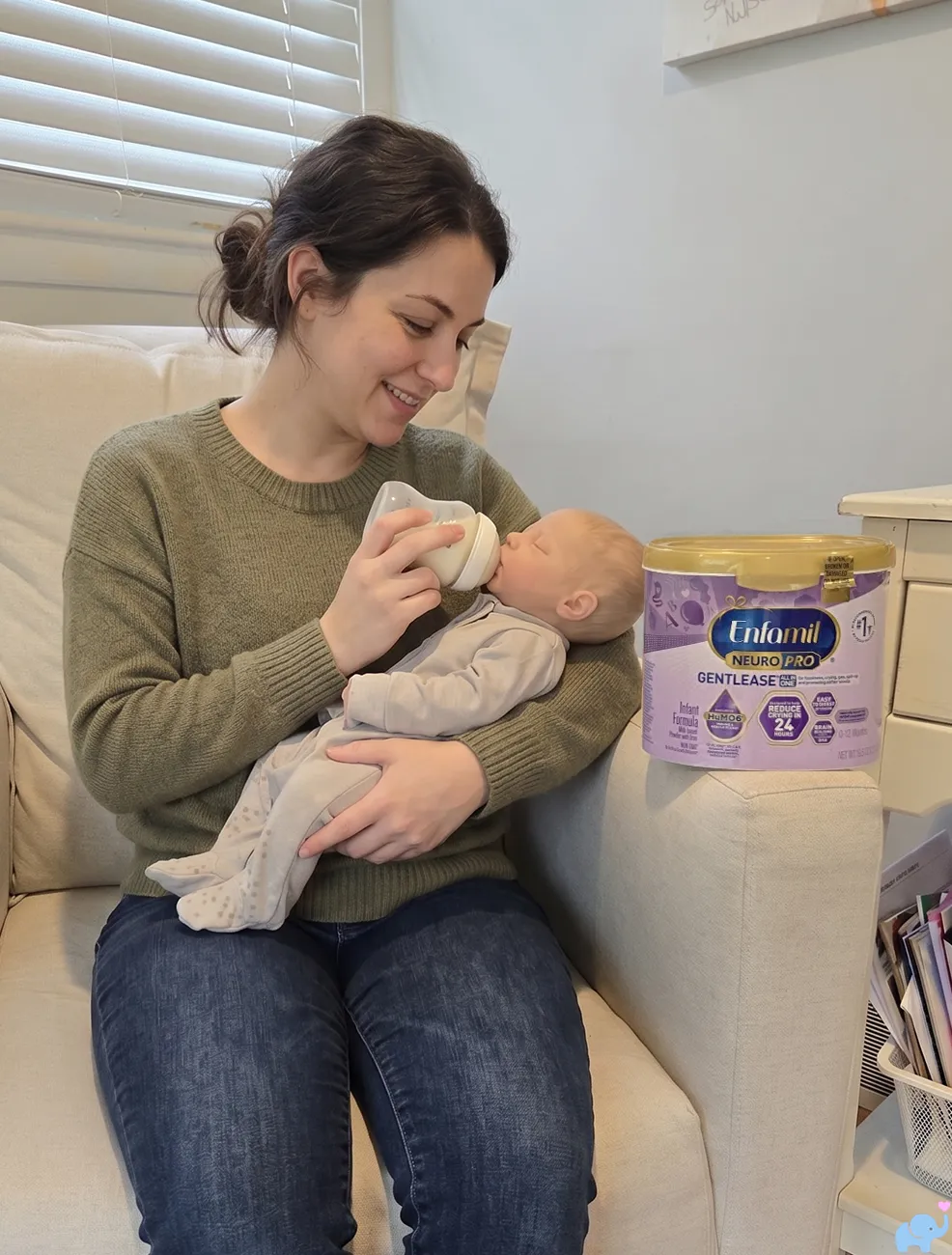
Her parent thought her usual digestive issues might have improved slightly, although the difference wasn't dramatic enough during our initial testing period to confidently attribute it to the formula.
One change was easier to identify: her stool became softer than usual.
Given that she tends somewhat toward constipation, we considered that an encouraging result.
Our 6-month-old had a similar experience.
He accepted Gentlease immediately and continued drinking it without resistance.
His parent also thought his usual gas, reflux, constipation, or fussiness might have improved slightly, but again, the change was subtle enough that we couldn't confidently credit the formula.
His stool also became noticeably softer than usual.
Our 8-month-old gave us a very different perspective.
He simply didn't seem to like the taste.
He showed little interest in drinking it and ultimately refused the bottle.
Given the mild bitterness we detected ourselves, we suspect flavor may have played a role.
Older babies can also be more accustomed to a familiar formula flavor, which may make switching to a hydrolyzed formula more noticeable than it is for younger babies.
None of the three families ultimately switched permanently to NeuroPro Gentlease.
That gives our results a somewhat more moderate interpretation than our experience with some other gentle formulas.
We saw encouraging signs, especially with stool softness, but nothing dramatic enough that either family felt compelled to change what was already working.
Of course, three babies are a tiny sample.
Gas, reflux, stool consistency, and fussiness can change with age, feeding volume, bottle choice, feeding technique, illness, solids, and many other factors.
We therefore wouldn't claim that Gentlease caused the modest improvements we observed.
Overall, our testing experience was positive:
- The 3- and 6-month-old babies readily accepted the formula.
- The 8-month-old disliked the taste and refused it.
- Neither baby who drank it developed any obvious new digestive problems.
- Both parents thought digestive symptoms may have improved somewhat.
- Both babies who drank it had softer stools than usual.
- Preparation was straightforward.
- Foaming after shaking was impressively low.
- Clumping was moderate and greater than with Good Start Gentle Pro or Similac 360 Total Care Gentle Comfort.
- We found the taste noticeably but tolerably bitter.
- None of the families ultimately switched formulas.
Claims & What Makes It Gentle
Enfamil markets NeuroPro Gentlease as providing all-in-one digestive comfort and being designed to reduce fussiness, crying, gas, and spit-up within 24 hours.
Unlike some "sensitive" formulas whose primary change is simply reducing lactose, there are several meaningful formulation choices behind the Gentlease name.
1. Partially Hydrolyzed Milk Protein
This is probably the most important feature.
The nonfat milk and whey proteins have been partially hydrolyzed, meaning enzymes have already broken large intact milk proteins into smaller peptide fragments.
In practical terms, some of the digestive work has already occurred before the protein reaches the baby's digestive tract.
This may make the proteins easier for some babies to tolerate than conventional intact cow's milk proteins.
This does not make Gentlease hypoallergenic.
The remaining peptide fragments can still provoke reactions in babies with cow's milk protein allergy.
Babies with diagnosed or strongly suspected milk-protein allergy generally require an extensively hydrolyzed or amino acid-based formula under medical guidance.
2. About 80% Less Lactose
Gentlease also reduces lactose substantially compared with conventional milk-based infant formula.
Enfamil describes it as having about 80% less lactose than standard routine infant formulas.
Corn syrup solids therefore provide most of the carbohydrate.
This reduces the amount of lactose that needs to be digested and can potentially help in situations involving temporary lactose malabsorption.
However, we don't think lower lactose should automatically be considered better.
Primary lactose intolerance is rare in young infants, and lactose is the predominant carbohydrate in human milk.
For babies who tolerate lactose normally, retaining more lactose would be our preference.
3. PDX + GOS Prebiotics
Gentlease contains both polydextrose, or PDX, and galactooligosaccharides, or GOS.
These prebiotic carbohydrates aren't digested in the same way as ordinary nutritional carbohydrates.
Instead, they can be fermented by intestinal bacteria and help shape the developing gut microbiome.
PDX/GOS-containing formulas have also been associated with stool patterns that can be somewhat closer to those seen in breastfed babies.
The softer stools we observed in both of our younger testers were therefore interesting, although our sample is far too small to draw any conclusions.
4. 2'-FL HMO
NeuroPro Gentlease also contains 2'-fucosyllactose, or 2'-FL.
2'-FL is one of the human milk oligosaccharides naturally found in breast milk.
The version used in infant formula is structurally identical but isn't obtained from human milk.
HMOs can interact with the infant gut microbiome and are among the more interesting additions to modern infant formulas.
We like seeing 2'-FL included here.
However, formulas such as Similac 360 Total Care Gentle Comfort now include a broader five-HMO blend, which we consider an advantage.
5. MFGM Components
The whey protein concentrate in NeuroPro Gentlease also provides components of the milk fat globule membrane, or MFGM.
MFGM is the complex membrane surrounding fat droplets in mammalian milk and contains various proteins and lipids.
It has received considerable research attention because of its possible roles in neurodevelopment, immune function, and intestinal health.
We consider its presence a nice addition to the NeuroPro formulation.
6. DHA & ARA
Gentlease includes DHA and ARA, long-chain fatty acids important during infancy.
DHA is concentrated in the developing brain and retina, while ARA is an important component of cell membranes and participates in several biological signaling pathways.
These ingredients are increasingly common in premium U.S. formulas, but we're still glad to see both included.
Taken together, we think the Gentlease name has legitimate substance.
This isn't simply ordinary Enfamil NeuroPro with a purple label.
What About the 24-Hour Claim?
Enfamil prominently advertises Gentlease as being designed to reduce fussiness, crying, gas, and spit-up within 24 hours.
We think parents should interpret that as a marketing claim rather than a guarantee.
There is clinical evidence that partially hydrolyzed formulas can improve some measures of crying and digestive tolerance, but outcomes vary considerably among babies.
Recent controlled research also suggests that some symptoms can improve quickly after a formula switch regardless of whether the replacement formula uses partially hydrolyzed or intact protein.
Our own testing was consistent with that more cautious interpretation.
We saw possible modest improvements, particularly softer stools, but no dramatic overnight transformation.
Consumer Sentiment
In addition to our own hands-on testing, we looked through thousands of current retailer ratings and parent discussions about Enfamil NeuroPro Gentlease.
Overall sentiment is very positive.
At the time of our research, the 27.4-ounce powder had an average rating of about 4.7 out of 5 stars at Target across more than 20,000 ratings, while Walmart showed about 4.6 out of 5 across more than 10,000 ratings.
Those are unusually strong numbers for a product category where individual tolerance varies so much.
Recurring positive themes include:
- Less gas or apparent abdominal discomfort after switching from conventional formula.
- Reduced fussiness after feeding.
- Less crying associated with digestive discomfort.
- Softer or easier-to-pass stools for some babies.
- Reduced spit-up or reflux for some babies.
- Good baby acceptance overall.
- Easy preparation and mixing.
- Wide availability at major retailers.
- Convenient ready-to-feed versions.
The negative feedback is equally useful.
Some parents report:
- Continued or increased gas.
- Continued reflux or spit-up.
- Constipation or firmer stools.
- Green, gray, or unusually strong-smelling stools.
- More noticeable or stronger-smelling gas.
- Formula refusal or difficulty adjusting to the taste.
- More foaming than expected during preparation.
The stool comments are especially interesting.
Many parents report softer stools, but others report exactly the opposite.
Green or grayish stool also appears frequently in Gentlease discussions.
Changes in stool color and odor can occur when changing protein structure, carbohydrate sources, iron intake, prebiotics, and intestinal bacteria and aren't necessarily signs that something is wrong.
The variability matches our own experience.
Our 3- and 6-month-old babies readily accepted Gentlease and both developed softer stools, whereas our 8-month-old wouldn't drink enough of it for us to evaluate tolerance.
There simply isn't a gentle formula that works perfectly for every baby.
Another important distinction is between Gentlease and Enfamil NeuroPro Sensitive.
Gentlease uses partially hydrolyzed milk proteins, whereas sensitive formulas primarily target carbohydrate tolerance and may retain more intact protein.
For a baby who appears to struggle with intact milk proteins, we generally think a partially hydrolyzed formula such as Gentlease makes more conceptual sense.
Transparency & Ingredient Sourcing
Enfamil is produced by Mead Johnson Nutrition, part of Reckitt, and is one of the largest and longest-established infant nutrition brands in the United States.
Gentlease itself has been sold in various forms for many years, while the NeuroPro version adds the company's newer brain-development and prebiotic ingredients.
Some useful product characteristics include:
- Non-GMO ingredients.
- Partially hydrolyzed milk proteins.
- Approximately 80% less lactose than routine infant formula.
- 2'-FL HMO.
- PDX + GOS prebiotics.
- DHA + ARA.
- MFGM components.
- Powder and ready-to-feed options.
Where Enfamil is less impressive is detailed raw-material sourcing transparency.
We could not find specific public information identifying the farm or country of origin for every major NeuroPro Gentlease ingredient, including its milk proteins, corn syrup solids, vegetable oils, and individual prebiotic ingredients.
We therefore wouldn't characterize this as a particularly transparent farm-to-formula product.
Parents prioritizing organic agriculture, grass-fed milk, whole-milk sourcing, or highly detailed supply-chain information will find substantially more information from some competing premium brands.
NeuroPro Gentlease is also not USDA certified organic.
There is some manufacturing history worth mentioning.
In 2023, the FDA issued Mead Johnson/Reckitt a warning letter following inspections of powdered infant-formula facilities in Michigan and Minnesota.
The letter identified deficiencies involving controls designed to prevent microbial contamination.
During an inspection of the Zeeland, Michigan facility, FDA investigators also documented powder accumulation around filling equipment while Enfamil Gentlease was being packaged.
That does not mean the Gentlease product was found contaminated or recalled.
We did not identify a current recall specifically involving Enfamil NeuroPro Gentlease during our research.
Still, we think the broader manufacturing history is worth disclosing when evaluating any infant formula brand.
Value & Comparisons
Enfamil NeuroPro Gentlease occupies a useful middle ground between conventional intact-protein formulas and true hypoallergenic formulas.
Its partially hydrolyzed milk proteins should generally require less digestive breakdown than intact cow's milk proteins, but they don't undergo the extensive hydrolysis required for a hypoallergenic formula.
That makes Gentlease most appropriate for ordinary feeding intolerance rather than diagnosed cow's milk protein allergy.
Price is one of its weaker points.
At the time of our research, the popular 27.4-ounce can was selling for about $53 at major retailers.
That's substantially more expensive than many generic gentle formulas, including store-brand competitors.
For families using formula exclusively, the price difference can add up quickly over the first year.
Among the mainstream gentle formulas we've tested, we would currently put NeuroPro Gentlease just behind Similac 360 Total Care Gentle Comfort.
The difference is fairly small.
Both formulas partially hydrolyze their milk proteins, dramatically reduce lactose, include DHA and ARA, and are designed specifically for babies who struggle with ordinary intact-protein formulas.
We give Similac a slight edge because it uses 100% partially hydrolyzed whey, includes five HMOs rather than one, avoids palm olein oil, and produced less clumping in our hands-on testing.
Those are meaningful formulation and usability advantages in our opinion.
Enfamil has several advantages of its own.
It retains more lactose than the extremely low-lactose Similac formulation, includes PDX and GOS prebiotics in addition to 2'-FL, provides MFGM components, produced impressively little foam in our testing, and has an enormous track record with parents.
Our hands-on results with Enfamil were also very good, particularly the softer stools we observed in both babies who drank it.
We would also put NeuroPro Gentlease somewhat ahead of Kirkland ProCare Gentle.
The Kirkland option has an obvious value advantage, but we think Enfamil provides a somewhat stronger overall combination of partially hydrolyzed protein, prebiotics, 2'-FL HMO, DHA, ARA, MFGM components, availability, and established consumer experience.
Our current overall preference among those three would therefore be:
1. Similac 360 Total Care Gentle Comfort
2. Enfamil NeuroPro Gentlease
3. Kirkland ProCare Gentle
The differences aren't enormous, and infant tolerance should ultimately matter more than our ingredient preferences.
A formula that looks perfect on paper isn't very useful if your baby refuses it or doesn't tolerate it well, as our 8-month-old tester reminded us!
Our Conclusions
Who This Formula Is Best For
- Babies who may have difficulty tolerating intact cow's milk proteins.
- Babies who regularly experience gas or digestive discomfort.
- Babies who tend toward firmer stools or constipation.
- Parents looking for a partially hydrolyzed milk-based formula.
- Families interested in 2'-FL HMO plus PDX and GOS prebiotics.
- Parents who want DHA, ARA, and MFGM components.
- Families who appreciate having both powder and ready-to-feed options.
- Parents who value wide retail availability.
- Babies who do not require an extensively hydrolyzed or amino acid-based hypoallergenic formula.
Enfamil NeuroPro Gentlease is one of the best mainstream gentle infant formulas we've tested.
Its partially hydrolyzed milk proteins, reduced lactose, 2'-FL HMO, PDX/GOS prebiotics, DHA, ARA, and MFGM components give it a legitimately gentle formulation rather than simply a clever marketing name.
Preparation was straightforward, although opening a new tub involves a little more setup than usual because the scoop comes in its own sealed pouch and the formula powder is packaged inside a separate foil pouch.
The resealable powder pouch is actually a clever feature, however, because it can remain inside the tub and makes it possible to purchase refill pouches rather than replacing the entire tub.
For our mixing test, we used a 9-ounce Tommee Tippee bottle.
We were particularly impressed by how little foam formed after shaking.
Clumping was more noticeable, with a moderate amount remaining after mixing.
It wasn't concerning, but we saw more clumping than with Good Start Gentle Pro or Similac 360 Total Care Gentle Comfort.
The taste was less impressive.
When we sampled it ourselves, we noticed a distinct bitter note that is probably related at least partly to the partially hydrolyzed proteins.
Our 3- and 6-month-old testers didn't seem bothered and readily drank their bottles.
Our 8-month-old had a very different opinion and essentially refused it.
The tolerance results were encouraging but not dramatic.
Both babies who drank Gentlease normally experience at least some constipation, gas, reflux, or fussiness, and both parents thought those issues might have improved somewhat.
The parents weren't confident enough to attribute those changes directly to the formula, and neither family ultimately switched to it.
However, one finding was consistent: both babies had softer stools than usual.
For babies who tend toward constipation or firmer stools, that's certainly an encouraging result.
Our biggest reservations involve the carbohydrate and fat blends.
Corn syrup solids are the first ingredient, lactose has been substantially reduced, and the formula contains palm olein and soy oil.
None of those ingredients makes the formula unsafe, but we would personally prefer more lactose and a palm-olein-free fat blend when good tolerance can be achieved without them.
We also wish Mead Johnson provided more detailed information about where its major raw ingredients are sourced.
Those limitations prevent Gentlease from quite overtaking Similac 360 Total Care Gentle Comfort in our rankings.
We slightly prefer Similac's 100% partially hydrolyzed whey, broader five-HMO blend, palm-olein-free fat profile, and somewhat better mixing performance.
But the margin is small.
NeuroPro Gentlease counters with 2'-FL, PDX/GOS, MFGM components, some retained lactose, very little foaming, widespread availability, and an extraordinarily strong consumer track record.
We also think it's a somewhat more compelling overall formula than Kirkland ProCare Gentle, particularly if price isn't the primary consideration.
Overall, Enfamil NeuroPro Gentlease is an excellent gentle formula and a particularly strong option for babies who struggle with conventional intact-protein formulas but don't require a true hypoallergenic formula.
We give Enfamil NeuroPro Gentlease Infant Formula a 4.4 out of 5.0!

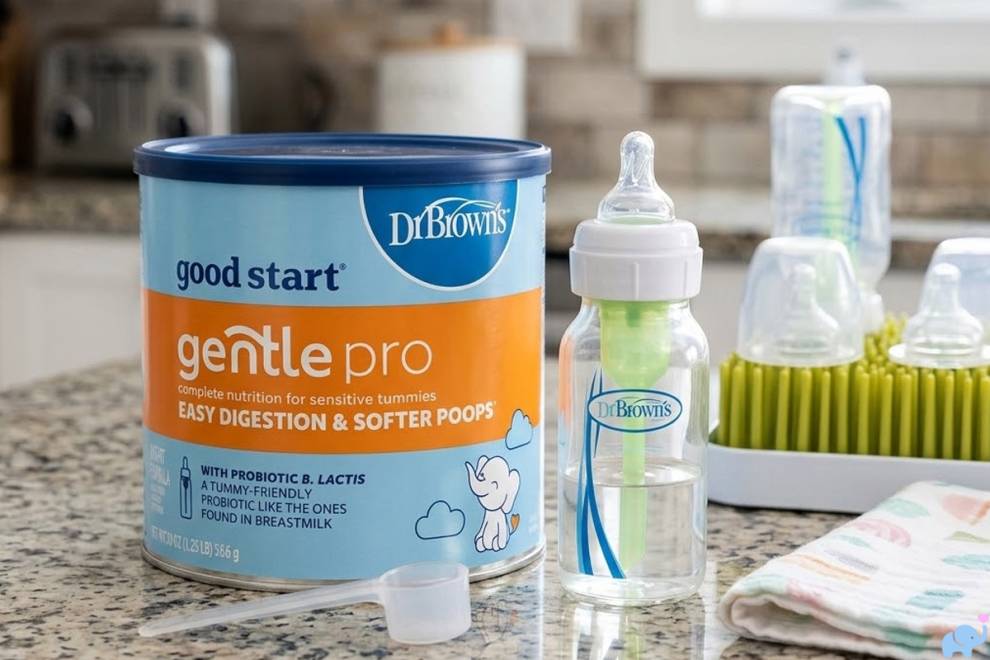
Full Review: Good Start Gentle Pro Infant Formula - Dr. Brown’s
Good Start Gentle Pro is one of the more interesting gentle baby formulas we've tested,...
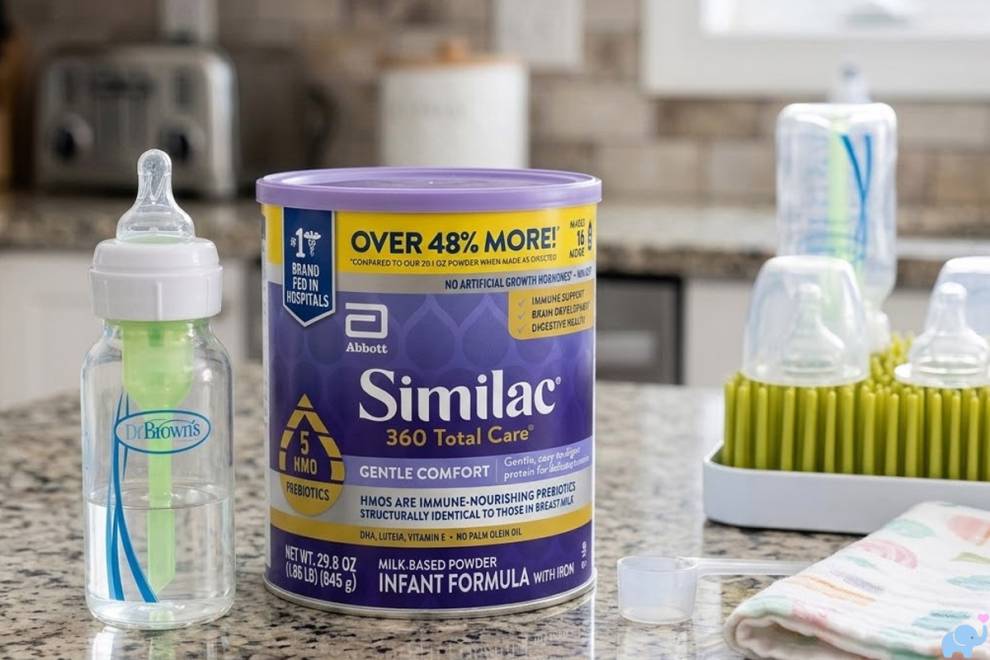
Hands-on Review: Similac 360 Total Care Gentle Comfort
Similac 360 Total Care Gentle Comfort is one of Similac's newest gentle baby formulas,...
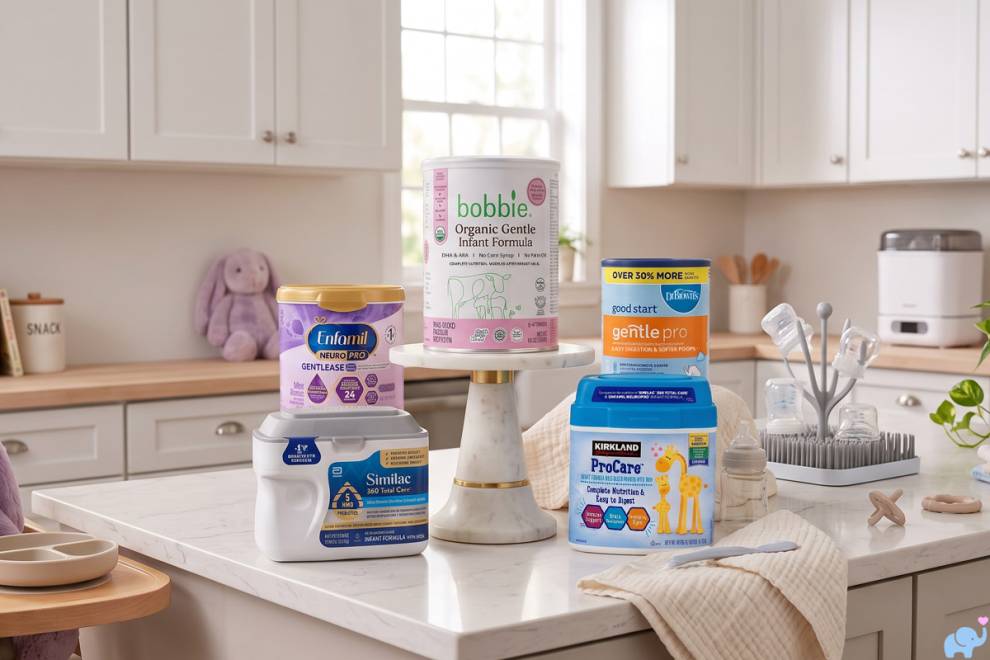
Best Gentle Baby Formulas 2026: Expert Reviews
Gentle infant formulas use modified proteins, carbohydrates, or both to help support...
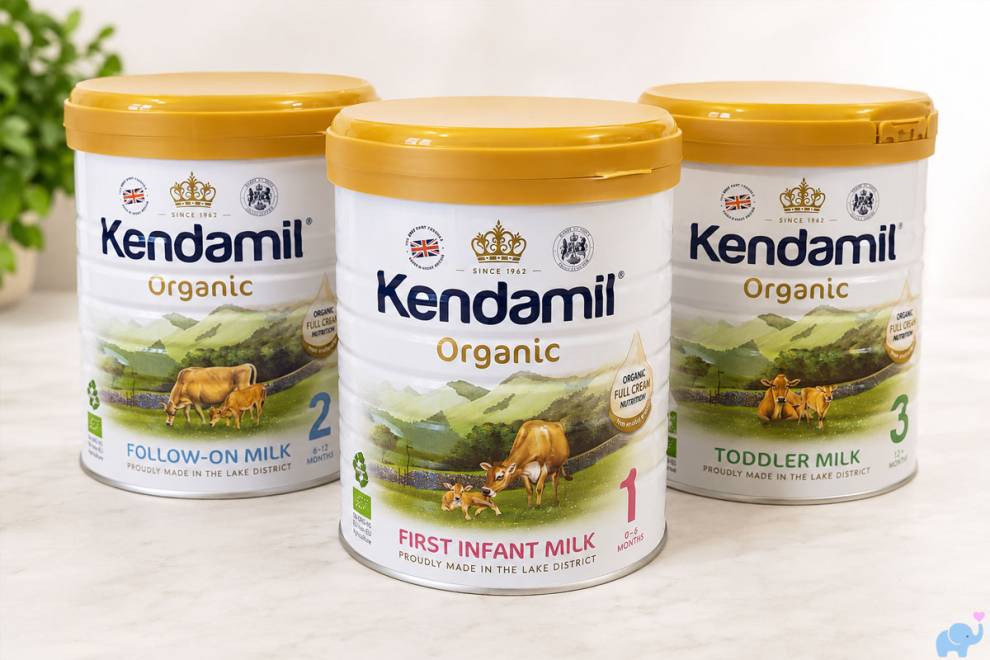
Kendamil Organic Baby Formula Review and Analysis
Kendamil Organic Infant Formula combines organic whole milk from grass-fed European cows...